
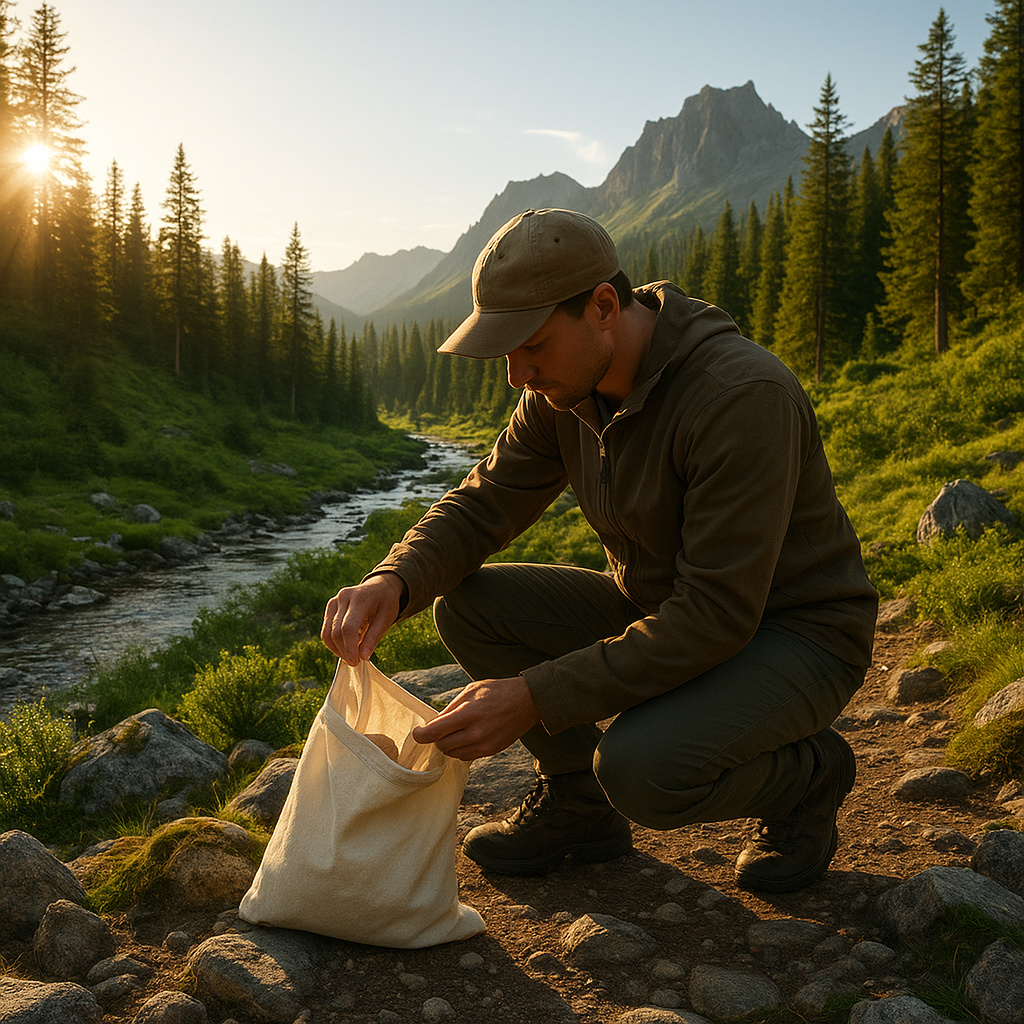
There’s something quietly powerful about leaving a place exactly as you found it. No wrapper caught in the brambles, no soap suds running into a stream, no shortcut carved through a wildflower meadow. For anyone who spends time outdoors — whether you’re a weekend wild camper or a seasoned long-distance walker — Leave No Trace principles aren’t just a set of rules. They’re a way of thinking about how we move through wild spaces and what we owe them.
The Leave No Trace (LNT) framework was developed in the United States and has since been adopted by outdoor communities worldwide. At its core, it’s about minimising our impact on natural environments so that those places remain healthy and beautiful for generations to come. With over 80% of the UK population living in urban areas and increasing numbers of people heading outdoors for recreation, understanding and applying these principles has never been more relevant.
This guide walks through all seven principles in practical, accessible terms — because caring for wild spaces shouldn’t require a degree in ecology. Just a bit of awareness and a willingness to tread a little more thoughtfully.
What Are the 7 Basic Principles of Leave No Trace?
The seven principles of Leave No Trace are:
- Plan ahead and prepare
- Travel and camp on durable surfaces
- Dispose of waste properly
- Leave what you find
- Minimise campfire impacts
- Respect wildlife
- Be considerate of other visitors
Each principle builds on the others. They’re not isolated rules but an interconnected approach to outdoor ethics — one that shifts the default mindset from “what can I do here?” to “what should I consider before I do it?”
Principle 1: Plan Ahead and Prepare
Good preparation is the foundation of every low-impact trip. When you know where you’re going, what the terrain is like, what the regulations are, and what conditions to expect, you’re far less likely to cause unintentional damage through poor decisions made on the fly.
Planning ahead means researching the area before you arrive — checking whether fires are permitted, whether dogs are allowed, whether there are sensitive ecological zones to avoid. It also means packing appropriately so you’re not tempted to improvise in ways that harm the environment. Bringing a portable stove rather than relying on a campfire, for instance, or carrying enough food so you’re not foraging in a protected area.
Group size matters too. Larger groups have a proportionally larger footprint. LNT guidelines generally recommend travelling in groups of no more than 10-12 people in backcountry settings, and smaller where possible. If you’re heading out with a bigger crowd, consider splitting into smaller subgroups.
Principle 2: Travel and Camp on Durable Surfaces
One of the most visible forms of environmental damage in popular outdoor areas is erosion — and much of it starts with people straying off established paths. Every footstep on soft, vegetated ground compresses soil, damages root systems, and gradually wears away habitats that take years to recover.
The guidance here is simple: stick to existing trails wherever they exist. When walking off-trail is unavoidable or part of the experience, aim for the most resilient surfaces — rock, gravel, dry grass, or snow — and spread out rather than walking in single file, which creates new worn tracks.
When it comes to camping, the same logic applies. Established campsites that already show signs of use are the best choice; camping on them concentrates impact rather than spreading it to new, undisturbed areas. If you’re wild camping in a remote area with no existing sites, pitch on bare ground, rock, or dry grass and move on after one night.
The 200 Rule for Camping
People often ask about the “200 rule” in camping — and it’s worth explaining clearly. The 200-foot (approximately 60-metre) rule is a Leave No Trace guideline that recommends camping, cooking, and disposing of waste at least 200 feet away from lakes, rivers, and streams. The purpose is to protect water sources from contamination and to preserve riparian habitats, which are among the most ecologically sensitive environments in any landscape. The same 200-foot buffer applies to established trails and other campers, helping maintain a sense of solitude and reducing the cumulative impact on high-traffic areas.


Principle 3: Dispose of Waste Properly
Perhaps the most universally known aspect of Leave No Trace is the principle of packing out what you pack in. That means all food wrappers, packaging, fruit peel, and anything else you brought with you. It’s worth noting that so-called “natural” food waste like banana skins and apple cores isn’t harmless in wild settings — they introduce non-native organic matter, can attract wildlife to human areas, and take far longer to decompose than most people assume.
Human waste requires a little more consideration. In areas without toilet facilities, the recommended method is to dig a cathole — a hole 15-20 centimetres deep, at least 60 metres from water sources, trails, and camp. Solid waste should be buried in this hole; toilet paper should ideally be packed out in a sealed bag. In popular or fragile environments, packing out all human waste using a WAG bag or similar system is increasingly recommended.
Washing up — whether dishes or yourself — should always be done at least 60 metres from any water source, using biodegradable soap sparingly and disposing of grey water in a cathole or by scattering it widely over a large area.
Principle 4: Leave What You Find
Wildflowers, interesting rocks, feathers, antlers, shells — they’re all tempting to take as mementos. But when thousands of visitors to a popular area each take “just one thing,” the cumulative effect is significant. Archaeological and natural objects often carry ecological or cultural significance beyond their visual appeal.
Leave what you find also extends to how you interact with the landscape. Avoid carving into trees, building unnecessary cairns, or rearranging rocks and logs. These actions might seem minor but they alter habitats, confuse navigation markers, and chip away at the wild character of a place.
The guiding philosophy is: take photographs, take memories, take nothing else.
Principle 5: Minimise Campfire Impacts
Few things feel more romantic in the outdoors than a campfire under the stars. But fires carry real risks — to vegetation, soil, and the broader ecosystem. In drier climates or during periods of low rainfall, even a carefully managed fire can escape. Across much of Europe, wildfire risk has increased significantly in recent decades as a result of climate change.
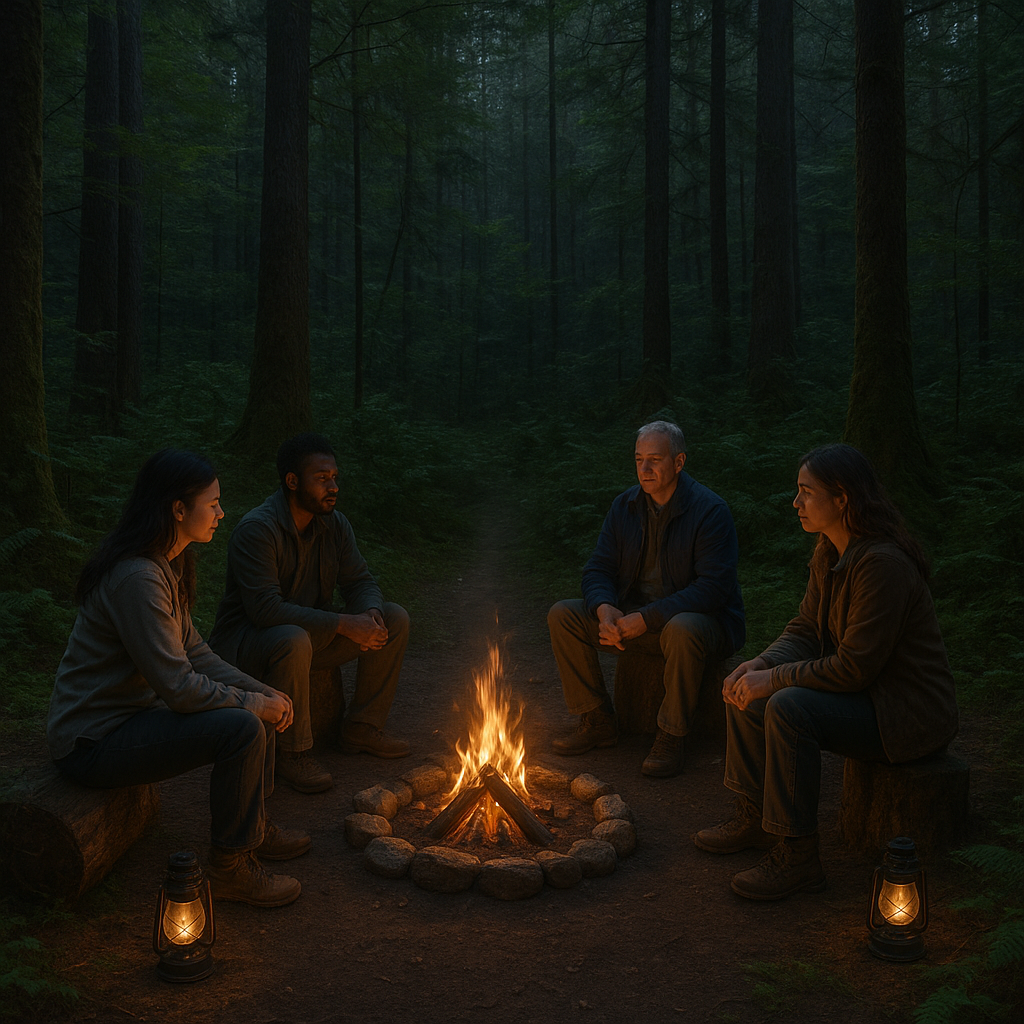
Where fires are permitted and conditions are safe, the LNT approach recommends using existing fire rings rather than creating new ones, keeping fires small, and burning only fallen wood found on the ground (not broken from living trees). All wood should be burned completely to ash before the fire is extinguished — fully, with water, not just smothered with soil.
In many environments, a lightweight camp stove is simply the better choice. It’s faster, more controllable, and leaves no trace whatsoever.
Principle 6: Respect Wildlife
Wild animals are not props for photographs or opportunities for close encounters. Approaching wildlife — even with the best intentions — causes stress, disrupts feeding and breeding behaviour, and can sometimes trigger defensive behaviour that endangers both the animal and the person.
The guidance is to observe wildlife from a distance, using binoculars or a zoom lens rather than moving closer. Never feed wild animals; human food is often harmful to them and feeding creates dependency that ultimately leads to dangerous behaviour and sometimes culling. Keep pets under control in areas where wildlife is present, and be particularly mindful during sensitive periods — nesting, breeding, and overwintering seasons.

Storing food correctly while camping also falls under this principle. Food, rubbish, and scented items should be stored in sealed containers or hung from trees to avoid attracting animals into camp. If you’re heading into areas where you may encounter game or wildlife you’re unfamiliar with, researching the species present beforehand helps you respond appropriately and respectfully.
Principle 7: Be Considerate of Other Visitors
The final principle is, in many ways, the most human one. Wild and semi-wild spaces offer something increasingly rare in modern life: quiet, solitude, and a sense of distance from the noise of everyday existence. Preserving that experience for others is a form of courtesy that costs very little.
In practical terms, this means keeping noise levels down — particularly in the evenings and early mornings — yielding appropriately to other trail users (hikers typically yield to horses; cyclists yield to walkers), and avoiding the use of speakers or other devices that project sound into the environment. If you’re camping near others, give them space. If you’re having a conversation on a summit, be mindful that not everyone wants to share it.
This principle also touches on something broader: the culture of the outdoors. How we behave in natural spaces shapes how others experience them, and how those spaces are perceived by landowners and policymakers. Every thoughtful, considerate visitor makes the case for continued access.
Leave No Trace for Beginners and Families
One of the most encouraging things about Leave No Trace principles is how naturally they translate into learning experiences for children. Teaching kids to pack out their litter, to stay on the path, and to observe birds and animals without disturbing them builds habits of environmental respect that last a lifetime.
For younger children, the principles can be simplified into a handful of memorable ideas: take nothing, leave nothing, stay on the path, and be quiet around animals. The Centre for Outdoor Ethics (the organisation behind LNT.org) offers educational resources specifically designed for children and schools, making it easier to introduce these ideas in a structured, age-appropriate way.
Leave No Trace Hiking Rules: A Quick Reference
- Stick to established trails wherever possible
- Pack out all waste, including food scraps
- Keep at least 60 metres from water sources when camping or washing
- Leave natural objects, plants, and rocks where you find them
- Keep noise to a minimum and yield to other trail users
- Observe wildlife from a distance — never feed or approach animals
- Use a camp stove in preference to a fire where possible
Why These Principles Still Matter
The pressures on wild and natural spaces have intensified considerably over the past decade. Visitor numbers to national parks and beauty spots across the UK and beyond have surged — a trend accelerated by the pandemic and a broader cultural shift towards outdoor recreation. With that growth comes impact: eroded paths, littered campsites, disturbed wildlife, and degraded habitats.
Leave No Trace isn’t about keeping wild places pristine and inaccessible. It’s about ensuring that access and stewardship go hand in hand — that the more people who enjoy wild spaces, the more people who take responsibility for protecting them. That’s not an idealistic notion; it’s a practical necessity. Tools like GPS devices for navigation can also help outdoor visitors stick to established routes and avoid inadvertently straying into sensitive or protected areas.
The seven principles exist not to restrict the outdoor experience but to enrich it. Because a landscape that has been cared for, that hasn’t been trampled or littered or burned, is a landscape that gives something back.
In Summary
Leave No Trace is built around seven interconnected principles: planning ahead, travelling on durable surfaces, disposing of waste responsibly, leaving natural things undisturbed, minimising fire impacts, respecting wildlife, and being considerate of other visitors. Together, they form a practical, accessible framework for anyone who spends time in the outdoors. The 200-foot (60-metre) rule — keeping campsites, cooking areas, and waste sites well away from water sources — is one of the most important specifics to remember. Whether you’re a first-time camper or a seasoned trail runner, applying these principles consistently is one of the most meaningful things you can do to protect the natural places you love visiting.