
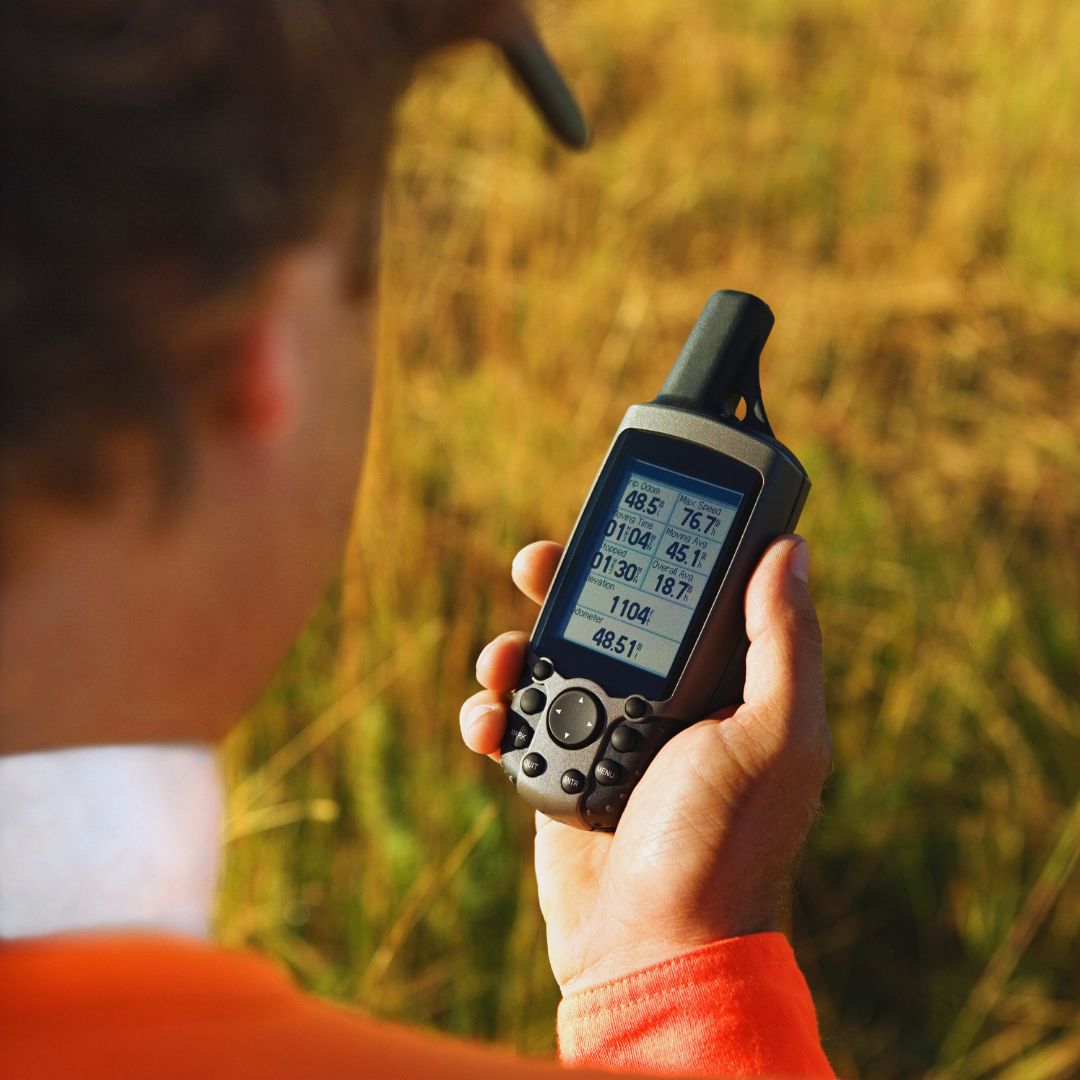
The integration of GPS devices into hunting has transformed the experience for avid hunters. These tools enhance navigation, improve tracking, and increase safety, making it easier for hunters to focus on their pursuits. With real-time location data, hunters can explore vast terrains without the fear of losing their way or missing valuable opportunities.
GPS technology allows for precise mapping of hunting areas, enabling hunters to identify potential hotspots and analyze patterns in wildlife movement. This level of detail helps them strategize more effectively and increases their chances of a successful hunt. As hunters become more reliant on these innovations, the traditional skills associated with tracking and navigating are complemented rather than replaced.
Furthermore, the safety features built into many GPS devices—such as emergency location sharing and route tracking—provide peace of mind. This additional layer of security empowers hunters to venture into remote areas while feeling connected and informed. As a result, GPS devices are not just accessories; they are essential tools that enhance the overall hunting experience.
Evolution of Hunting Through GPS Technology
The integration of GPS technology has transformed hunting practices significantly. From historical advancements to contemporary innovations, the evolution showcases the profound impact of technology on hunting efficiency and safety.
Historical Overview of Hunting Technology
Hunting has a rich history that spans thousands of years. Early hunters relied on basic tools and nature’s signs for navigation and tracking. With the advent of technology, innovations like compasses and maps emerged, improving orientation abilities.
In the late 20th century, the introduction of handheld GPS devices redefined hunting. These devices offered precise location data, allowing hunters to navigate unfamiliar terrains with confidence. This transition marked a shift from traditional techniques to a more technology-driven approach in the hunting industry.
Modern Hunting and Technological Advancements
Today’s hunting technology is characterized by sophisticated GPS devices that offer features such as real-time tracking and digital mapping. Hunters can access detailed terrain information, identify safe zones, and track animal movements, which enhances their chances of success.
Moreover, modern devices often integrate mobile applications that provide weather updates and topographic maps. This information allows hunters to plan more effectively and adapt to environmental changes. In the competitive landscape of the hunting industry, embracing these advancements is crucial for efficient and ethical hunting practices.
Enhancing Hunting Strategies with GPS Devices
GPS devices significantly enhance hunting strategies by providing advanced navigation tools, aiding in wildlife tracking, and integrating weather forecasts. These innovations allow hunters to optimize their approach, increase efficiency, and improve their overall experience.
Navigation and Mapping Tools
GPS devices offer precise navigation and robust mapping tools that can transform how hunters plan and execute their trips. With features such as detailed topographical maps and waypoint marking, hunters can easily identify key locations, such as water sources or trails.
Hunters can set custom routes and record their movements. This capability minimizes the risk of getting lost and facilitates a more organized hunting experience. Many devices also allow offline access, ensuring navigation remains reliable even in remote areas.
Wildlife Tracking and Behavior Analysis
Wildlife tracking through GPS enables hunters to gather crucial information about animal behavior. Using dedicated tracking devices or smartphone apps, hunters can monitor wildlife movements and patterns. This data allows for strategic planning, helping them determine optimal hunting times and locations.
Understanding behaviors, such as feeding and mating habits, can lead to more successful hunts. Additionally, hunters can share tracking data with peers for collaborative efforts, enhancing the hunting experience further.
Weather Forecast Integration in Hunting Apps
Incorporating real-time weather forecasts into hunting strategies is essential. Many modern GPS devices and smartphone apps feature weather integration, providing hunters with timely updates on conditions. Insights into temperature changes, precipitation, and wind patterns can significantly impact animal activity.
Using this information, hunters can adjust their plans accordingly, choosing better times for outings. Advanced features may include alerts for severe weather, ensuring safety and preparedness in the field. This strategic approach enhances the likelihood of successful hunting expeditions.
The Intersection of Conservation and Ethical Hunting
The relationship between conservation and ethical hunting underscores the importance of maintaining balanced wildlife populations while promoting responsible practices among hunters. This section explores wildlife management, sustainable practices, and regulations that guide ethical hunting.
Wildlife Conservation and Population Management
Wildlife conservation aims to preserve animal species and their habitats. GPS collars are a critical tool in monitoring wildlife populations. They provide real-time data, enabling conservationists to assess animal movements and behaviors.
By understanding population dynamics, wildlife managers can address overpopulation or declining species. This data informs decisions on hunting quotas and seasons. Ethical hunters play a vital role by adhering to these guidelines and supporting conservation efforts. They help ensure that hunting contributes positively to wildlife management.
Sustainable Hunting Practices and Ethics
Sustainable hunting practices focus on minimizing the ecological impact while maximizing conservation efforts. Ethical hunters prioritize fair chase principles, allowing animals a reasonable chance to escape.
Hunters utilize gear that is environmentally friendly and efficient. This includes lead-free ammunition and biodegradable materials. Responsible hunting practices also involve ethical considerations such as respecting local ecosystems and engaging in habitat preservation.
Education about sustainable practices encourages hunters to become stewards of the environment. They can actively participate in conservation initiatives, contributing to healthier wildlife populations and ecosystems.
The Role of Hunting Regulations and Education
Hunting regulations are essential in maintaining the balance between hunting and conservation. These laws dictate seasons, bag limits, and restrictions on specific wildlife species. Compliance ensures that hunting activities align with conservation goals.
Education plays a crucial role in fostering ethical hunting practices. Programs aimed at hunters provide valuable information on regulations, environmental impact, and wildlife safety. Understanding these regulations promotes responsible decisions.
Hunters are encouraged to participate in training and certification programs, which enhance their commitment to ethical hunting. As a result, educated hunters contribute to conservation, ensuring that future generations can enjoy sustainable wildlife resources.
Advanced Gear and Applications for Modern Hunters
Modern hunters benefit from a range of advanced gear and technology that enhance their experience. This includes innovative equipment, wearables, and smart technology that fundamentally improve hunting strategies and outcomes.
Innovative Hunting Equipment and Wearables
Hunters utilize drones for aerial surveys, enabling them to scout vast areas quickly. This technology allows them to locate games from above, reducing wasted time and improving efficiency.
Trail cameras and scouting cameras are crucial for monitoring game activity. They capture images and videos, helping hunters understand animal patterns. Correspondingly, thermal imaging devices and night vision scopes expand hunting capabilities into low-light conditions, allowing hunters to identify targets under the cover of darkness.
Wearable technology, such as GPS-enabled devices, provides real-time location tracking and navigation assistance. This sector also includes scent-blocking clothing, which minimizes human scent and increases stealth. These innovations combined create a more informed and strategic hunting experience.
Integration of Smart Technology in Hunting
Smart technology transforms traditional hunting practices. Hunting apps offer valuable features like mapping, weather updates, and community connectivity. This integration fosters a community of hunters who can share insights and strategies. Smart scopes and advanced optics enhance accuracy and target acquisition. Some models include rangefinders that calculate distances, improving shot precision.
Another significant development is the use of electronic calls and game calls that mimic animal sounds, attracting wildlife more effectively. Additionally, remote access to game tracking data ensures that hunters can stay updated on animal movements, optimizing their approach. Together, these advancements offer an enriched and more effective hunting experience.