
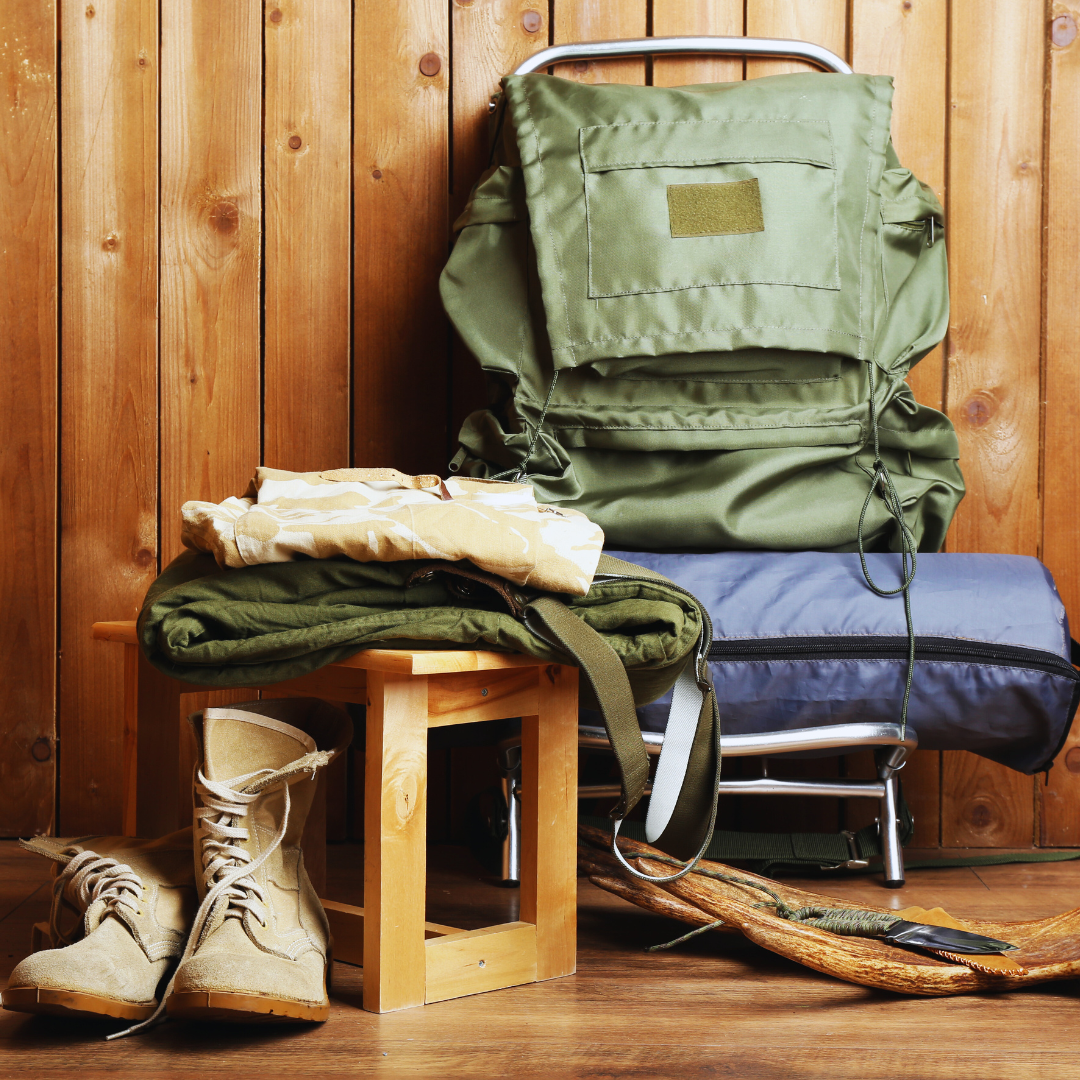
Packing efficiently for a multi-day hunting trip can make all the difference in the experience from comfort to functionality. To pack effectively, prioritize essential gear, plan for various weather conditions, and use compact storage solutions. This strategy not only minimizes weight but also ensures quick access to necessary items during the trip.
Careful consideration of gear is crucial. Hunters should assess what is truly essential versus what might be nice to have. Streamlining gear reduces clutter and enhances mobility, allowing for a more enjoyable outing in the field.
Incorporating multi-purpose items can further optimize packing efforts. Utilizing a single tool for multiple tasks or choosing clothing that can serve different purposes helps keep the pack light. Thoughtful organization, like grouping similar items together, aids in finding gear quickly and efficiently while on the move.
Planning Your Hunting Trip
Effective planning is crucial for a successful multi-day hunting trip. Key considerations include understanding the necessary skills and gear while ensuring safety throughout the adventure.
Understanding the Basics of a Multi-Day Hunt
A multi-day hunt requires thorough preparation well ahead of the trip. Knowledge of the hunting area, including terrain and weather, plays a significant role. Understanding local regulations and hunting seasons is also essential.
Hikers and hunters alike benefit from honing their skills in navigation and tracking. Knowledge of animal behavior enhances the chances of a successful hunt. Additionally, time management skills make it easier to balance hunting with other tasks.
Essential Gear for Safety and Success
Packing the right gear is vital for both safety and effectiveness during a multi-day hunt. A first aid kit should include antiseptics, bandages, and other essentials to handle injuries. Ensuring that this kit is complete and accessible is paramount.
In addition to safety gear, hunters should pack clothing suited for changing weather. Waterproof outerwear and moisture-wicking layers help maintain comfort. Navigation tools like maps and compasses, or GPS devices, are critical for staying on course.
A reliable backpack is essential for carrying all gear comfortably. It should be lightweight yet spacious enough for essential items. Bringing proper food and water supplies also contributes to a successful hunt.
Checklist for Multi-Day Hunts
Creating a comprehensive checklist streamlines the packing process and minimizes the risk of forgetting important items.
Sample checklist items include:
- Clothing: Insulating layers, waterproof jacket, and sturdy boots.
- Safety Gear: First aid kit, whistle, and flashlight.
- Hunting Equipment: Firearm or bow, ammunition, and knife.
- Navigation Tools: Map, compass, and GPS device.
- Outdoor Essentials: Food, water filtration system, and cooking gear.
Reviewing this checklist before the trip ensures that all essentials are ready. A well-organized packing strategy promotes success during the hunt and enhances the overall experience.
Packing Your Hunting Gear
Properly packing hunting gear is essential for a successful multi-day hunting trip. Attention to detail in selecting a quality pack and organizing gear can make all the difference in efficiency and comfort.
Selecting the Right Hunting Pack and Gear
Choosing the right hunting pack is crucial. It should have enough capacity to hold essential items such as firearms, ammunition, and clothing while maintaining comfort. Look for packs designed specifically for hunting with features like:
- Hydration reservoir compartment
- Compression straps
- Multiple pockets for organization
Consider the weight of the gear. A lightweight pack allows for agility in the field. Essential gear includes a reliable hunting knife, binoculars for spotting game, and a rangefinder for accuracy. For deeper excursions, a personal locator beacon or emergency communication device can be vital.
Organizing Your Gear with Packing Cubes and Compression Sack
Packing cubes and compression sacks can maximize space and keep gear organized. Use packing cubes for smaller items such as first aid supplies, clothing, and tools. Label each cube for easy identification.
A compression sack is ideal for bulky items like sleeping bags and clothing. This helps reduce bulk while ensuring that essential gear remains accessible. Ensure that items like the kill kit and game bags are easily reachable, as they are needed during field dressing.
Create a checklist to ensure all necessary gear is included.
Versatile Items and Dual-Purpose Gear
When planning a multi-day hunting trip, versatile items save space and enhance efficiency. Consider dual-purpose gear that serves multiple functions. For example, a hunting knife can be used for skinning as well as general camp tasks. A GPS device benefits navigation while also allowing for waypoints of game sightings. Binoculars not only enhance spotting but can double as a tool for surveying the landscape.
Emergency supplies are non-negotiable. Items such as first aid kits, a bone saw, or even extra game bags should be kept accessible. Being prepared with versatile equipment can simplify the experience and improve survival chances in the field.
Clothing and Personal Items
Packing the right clothing and personal items is essential for a successful multi-day hunting trip. This preparation ensures comfort and protection against changing weather conditions while providing functionality during the hunt.
Layering for Variable Weather Conditions
Layering is crucial for adapting to fluctuating temperatures and weather. The base layer should consist of moisture-wicking materials to keep the body dry. Fabrics like merino wool or synthetic blends are excellent choices.
The middle layer provides insulation. Fleece or down options work well for retaining heat. The final outer layer should be a waterproof and windproof jacket to shield against rain and wind. A rain jacket with ventilation will enhance comfort during active movement. It’s advisable to include an extra set of clothing layers in case of unexpected weather. Pack additional thermal socks and gloves for warmth, which can be essential in colder conditions.
Choosing Durable and Protective Footwear
Selecting the appropriate footwear is vital for comfort and safety. Hunting boots should be waterproof with good ankle support, protecting against rough terrain and wet conditions. Insulated options are beneficial for colder climates.
A rugged outsole enhances traction, ensuring stability on various surfaces. It’s advisable to choose boots that fit well, as discomfort can lead to decreased performance during the hunt. Additionally, consider packing insoles for extra support. Changing socks frequently keeps feet dry and helps prevent blisters, ensuring well-being throughout the trip.
Camouflage and Visibility Considerations
Choosing the right camouflage pattern is important for blending into the environment. Patterns should align with the specific terrain, whether forest, grassland, or mountainous regions.
Visibility is another consideration. In some hunting situations, wearing bright colors or reflective gear is crucial for safety, especially during group hunts. Ensure that any personal items, like hats or backpacks, complement the camouflage for consistency. A well-rounded approach to clothing ensures that hunters stay comfortable, safe, and effective in the field. Balancing camouflage with visibility enhances both stealth and safety.
Food, Water, and Shelter
Effective planning for food, water, and shelter is essential for a successful multi-day hunting trip. These elements sustain energy, ensure safety, and enhance comfort during the journey.
Ensuring Adequate Hydration and Water Filtration
Staying hydrated is critical in the field. A hydration bladder or hydration system allows for easy access to water while on the move. Carrying a portable water filter ensures that water sources encountered along the way are safe for consumption.
A viable option is to pack water purification tablets as a backup. Each hunter should aim for a minimum of two liters of water per day. By organizing water sources and planning hydration breaks, the risks of dehydration can be minimized.
Nutrition and Caloric Intake for Sustained Energy
Proper nutrition fuels continued energy levels. High-energy snacks are a practical choice and can include trail mix, energy bars, and jerky. These options provide essential nutrients and are lightweight for packing.
Freeze-dried meals are ideal for main meals, as they are easy to prepare and offer a variety of flavors. Each full day should consist of three meals, along with multiple snacks to maintain energy. It is crucial to balance protein, carbohydrates, and fats in the food selection.
Packing for Comfortable and Secure Rest
Rest is essential for recovery during a hunting trip. A well-chosen sleeping bag appropriate for the climate ensures adequate warmth. Pairing it with a cushioned sleeping pad adds comfort and insulation from the ground.
In addition, including an emergency shelter in the pack can provide protection from unexpected weather. It is advisable to select lightweight materials for easy transportation. Creating a comfortable sleeping setup enhances nighttime rest, improving overall performance during the day.