
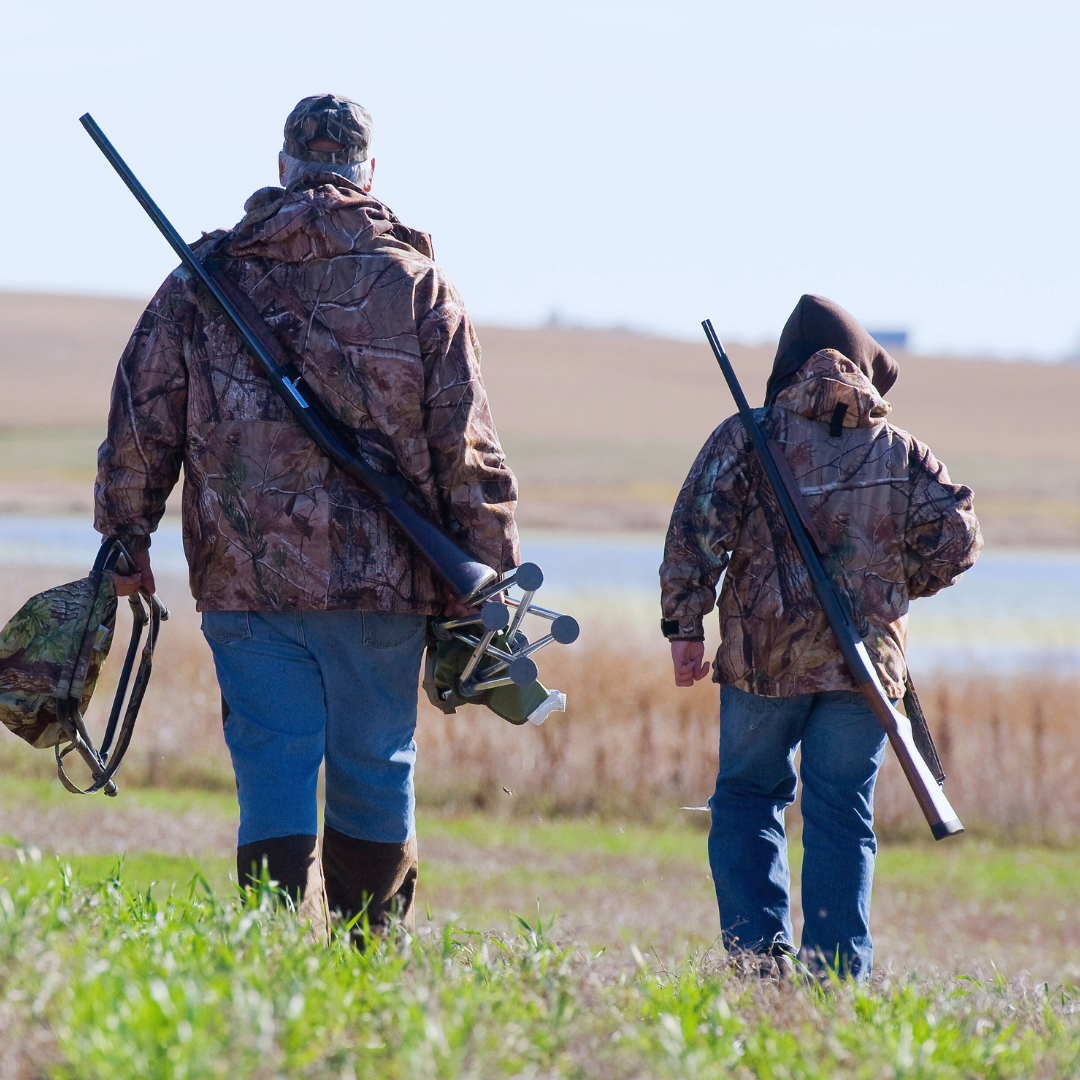
Introducing children to hunting can be a rewarding experience that fosters a love for the outdoors and a deep connection with nature. By engaging kids in hunting, parents and guardians create lasting memories while teaching responsibility, patience, and an appreciation for wildlife conservation. This journey not only equips them with valuable skills but also encourages lifelong respect for the environment.
As families spend time together in the field, they not only bond over shared experiences but also instill important values in the younger generation. Learning how to track animals, understand ecosystems, and practice safe hunting can enrich a child’s understanding of their natural surroundings. Engaging with nature through hunting promotes physical activity and appreciation for the outdoors, which are essential in today’s digital age.
The transition to hunting can begin with education, proper equipment, and guidance from experienced mentors. This approach ensures that children not only learn the practical aspects of the sport but also develop a sense of stewardship for the environment. Ultimately, introducing kids to hunting sets the foundation for a lifelong passion and respect for nature.
Preparation for the Hunt
Effective preparation is crucial for introducing kids to hunting. This includes understanding hunting’s role in conservation, ensuring safety through education and the right gear, and selecting appropriate firearms for young hunters.
Understanding Hunting and Conservation
Hunting plays a vital role in wildlife management and conservation efforts. It helps maintain animal populations at sustainable levels, reducing overpopulation and habitat degradation. Educating children about these concepts fosters respect for nature.
A hunter safety course is essential for young hunters. Such courses focus on hunting ethics, laws, and conservation principles. They emphasize responsible hunting practices that contribute to preserving ecosystems while ensuring a safe experience.
Essential Gear and Safety Equipment
Proper gear and safety equipment are fundamental for a successful hunt. Key items include:
- Hunter Orange Clothing: Enhances visibility to prevent accidents.
- Hearing Protection: Guards against loud noises from firearms.
- First-Aid Kit: Addresses potential injuries while in the field.
Children must also wear appropriate footwear and weather-appropriate clothing. Teaching them how to use gear correctly ensures their safety first, allowing them to focus on the experience.
Selecting the Appropriate Firearm
Choosing the right firearm is critical for a safe and enjoyable hunting experience. For beginners, a .22 caliber rifle is often recommended for small game hunting. It has low recoil, making it manageable for younger hunters. When exploring reliable options and understanding available firearm choices suited for beginners, https://gunbuy.com.au/ can serve as a helpful reference for comparing different types of hunting and shooting equipment before making a decision.
For larger game, a 20-gauge shotgun is suitable. This shotgun offers a balance between power and control, making it ideal for various hunting scenarios. Always ensure that children are comfortable with their firearm choice and receive proper instruction to promote responsible gun safety.
Responsible gun ownership starts with how the firearms are kept at home. It is a good idea to have a secure place to store these items away from curious hands. Many families look for Gun Safes on Sale to find a high-quality option that fits their budget. A heavy steel safe with a reliable lock provides peace of mind for parents. This step is just as important as the lessons learned out in the woods. Keeping the equipment locked up helps maintain the safety standards taught during the child’s first hunting trips.
Skills Development
Developing skills in hunting is essential for young hunters. Key areas include understanding safety protocols, mastering essential techniques, and honing accuracy through practice. These foundational skills enhance their confidence and effectiveness in the field.
The Role of Hunter Safety Courses
Hunter safety courses are critical for introducing children to responsible hunting practices. These courses teach important topics, such as firearm handling, safety protocols, and wildlife conservation.
Participants learn about the laws governing hunting and how to respect both the environment and fellow hunters. Completing these courses often equips young hunters with the certification needed to hunt legally.
Engaging in interactive learning, kids participate in discussions and hands-on activities. This ensures that they not only absorb the information but also can apply it practically. The structured environment fosters a sense of responsibility and confidence.
Mastering Stalking and Tracking
Stalking and tracking are skills that require both patience and keen observation. Young hunters learn to move quietly and blend into their surroundings, minimizing disturbances to wildlife.
Training in these techniques involves recognizing animal tracks, droppings, and signs of feeding. Understanding these cues can lead to successful hunts and an appreciation of wildlife behavior. Practicing in various terrains helps develop adaptability. Kids can enhance their skills by participating in guided hunts or outdoor camps focused on these techniques. This combination of knowledge and practice creates a strong foundation for successful hunting experiences.
Practice Through Target Shooting
Target shooting is vital for developing precision and familiarity with firearms. It reinforces safe handling and builds confidence as young hunters learn to shoot accurately. Regular practice at a shooting range allows them to focus on stance, grip, and aim. Over time, they can track their progress and make adjustments to improve performance.
Incorporating different types of targets—such as static and moving—adds variety to practice sessions. This enhances skill-building and prepares young hunters for real-world scenarios they might encounter. Establishing a routine that includes target shooting complements other skill development areas, ensuring a well-rounded introduction to hunting.
Experiencing the Hunt
Taking children on their first hunting experience involves careful planning and responsible practices. Engaging them in this outdoor activity fosters a connection to nature and appreciation for wildlife. Here are key components to consider.
Planning the First Hunt
Choosing the right time and location for a youth’s first hunt is essential. Prioritize safety and comfort by selecting a nearby hunting area known for deer hunting. Start small: short trips are preferable, allowing youth hunters to adapt to the experience.
An organized checklist can be helpful:
- License and permits
- Proper clothing and gear
- Safety equipment (e.g., ear protection, first-aid kit)
Additionally, teaching children the basics of firearm and hunting safety is crucial. Introduce them to regulations and ethical hunting practices to instill responsible attitudes from the outset.
Scouting and Understanding Game
Scouting trips serve as an excellent introduction to hunting. Children learn to observe wildlife behavior and habitat. Understanding when and where deer are likely to be found enhances their chances of success.
These activities build excitement and anticipation for the hunt:
- Identifying deer tracks and droppings
- Learning about seasonal behavior and feeding patterns
Patience and observation skills are vital aspects of scouting. Encouraging youth hunters to engage in quiet observation helps them appreciate the natural environment and enhances their hunting skills.
The Principles of Responsible Hunting
Responsible hunting practices emphasize sustainability and conservation. Teaching youth about the importance of respecting wildlife and habitats is crucial.
Key principles include:
- Harvest only what is needed: This approach ensures sustainable wildlife populations.
- Field dressing techniques: Instructing youth hunters on proper field dressing minimizes waste and demonstrates respect for the game.
- Participating in conservation efforts: Engaging in local conservation programs fosters a commitment to wildlife preservation.
Adopting these principles early on prepares youth for a lifetime of ethical hunting practices and stewardship of the outdoors.
After the Hunt
The time following a hunt is crucial for teaching kids about responsibility, respect for nature, and the joy of cooking. It offers a rich opportunity for adult mentors to reinforce lessons about conservation and creating lasting memories.
Processing and Cooking the Harvest
After the hunt, processing the harvest is an essential step. Kids should learn the basics of field dressing and the importance of handling the game respectfully. This includes understanding the animal’s anatomy, ensuring cleanliness, and following local regulations requiring a hunting license.
Involving kids in cooking fosters appreciation for the meal. Cooking methods such as grilling, roasting, or making jerky allow kids to experiment while keeping it fun. Recipes can range from simple to complex, making it accessible for all skill levels.
Encourage kids to help with meal preparation, including seasoning and choosing sides. This involvement nurtures creativity and connects them to the food, highlighting the importance of conservation and sustainable practices.
Reflecting on the Experience
Reflecting on the hunt is vital for kids to articulate their thoughts and emotions. Adult mentors can facilitate discussions about what they learned, focusing on skills gained and memories created. Such conversations can reinforce the importance of ethical hunting practices and the role of conservation in wildlife management.
Encourage kids to share their feelings about the hunt. Was it exciting, challenging, or perhaps a little scary? Discussing these topics can deepen their understanding and appreciation for nature.
Capturing the experience in a journal or through photographs allows kids to preserve memories and express emotions creatively. This helps solidify the lessons learned and fosters a connection to the outdoors that may last a lifetime.