
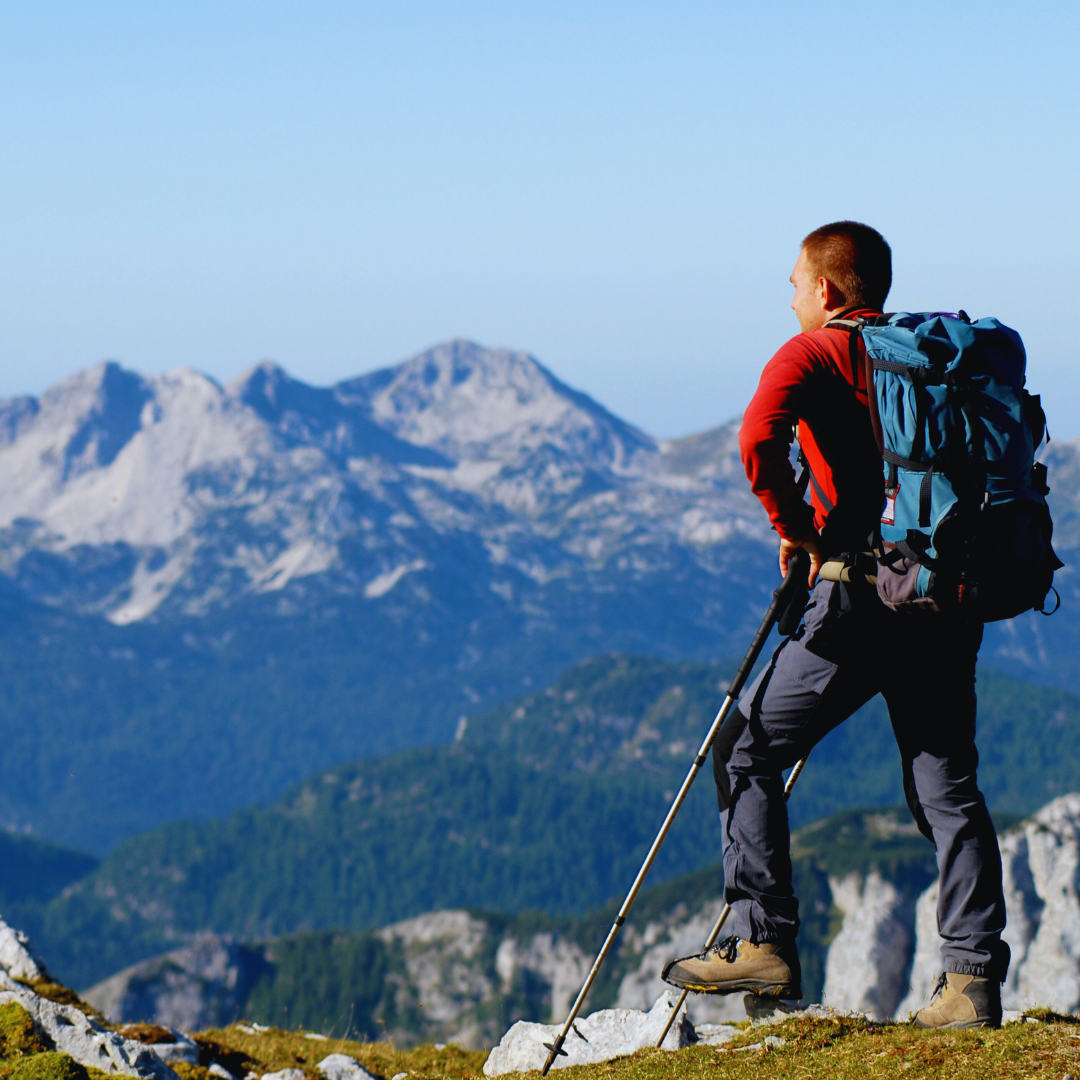
Hiking is more than just a recreational activity; it is a powerful way to enhance physical and mental health. Regular hiking can improve cardiovascular fitness, strengthen muscles, and boost mental well-being. As individuals traverse through natural landscapes, they engage in a form of exercise that not only benefits the body but also revitalizes the mind.
The health benefits of hiking extend beyond mere physical fitness. Many studies find that spending time outdoors can reduce stress levels and improve mood. The combination of exercise and nature creates a unique environment that fosters relaxation and mental clarity.
For those seeking a healthier lifestyle, hiking offers an accessible way to incorporate regular exercise into their routine. Whether on a challenging trail or a leisurely walk, the activity promotes a sense of well-being that individuals can feel both immediately and long-term.
Physical Health Advantages of Hiking
Engaging in hiking offers numerous physical health benefits that contribute significantly to overall well-being. Key advantages include improved cardiovascular fitness, enhanced muscle strength, and effective management of body weight and diabetes.
Cardiovascular Fitness and Disease Prevention
Hiking serves as an excellent form of aerobic exercise, promoting cardiovascular fitness. Regular hikes can lower blood pressure and heart rate, reducing the risk of heart disease and stroke. It enhances circulation, which benefits overall heart health.
Studies have shown that sustained physical activity, like hiking, can decrease hypertension and improve cholesterol levels. Incorporating hiking into a routine allows individuals to strengthen their hearts while enjoying nature. As endurance builds, hiking can also improve coordination and balance, further minimizing risks associated with cardiovascular diseases.
Muscle Strength and Bone Density
Hiking is a weight-bearing exercise that plays a vital role in building muscle strength and increasing bone density. Engaging various muscle groups—such as the legs, core, and even arms, when navigating uneven terrain—contributes to overall strength.
This activity is particularly beneficial for older adults, as it can help prevent complications like osteoporosis and arthritis by enhancing bone health. Strengthening supports better balance and reduces falls, making it a crucial exercise for maintaining independence in later years. Hiking on diverse trails also challenges muscles, engaging them differently and promoting overall fitness.
Obesity, Weight Loss, and Diabetes Management
Hiking is an effective way to combat obesity and manage weight loss. By providing a significant calorie burn, it can help individuals achieve and maintain a healthy weight. Regular hiking contributes to lower blood sugar levels and helps reduce the risk of developing type 2 diabetes.
For those already living with diabetes, hiking can assist in maintaining target blood sugar levels while enhancing insulin sensitivity. It promotes a healthier lifestyle, offering both physical benefits and a mental boost. Overall, it fosters a sustainable approach to health management through enjoyable physical activity.
Mental Well-Being and Stress Reduction
Engaging in hiking offers significant mental health benefits. Physical activity in natural settings fosters emotional well-being, reduces stress, and enhances overall mental clarity.
Endorphins and Mental Health Improvement
Hiking triggers the release of endorphins, the body’s natural painkillers and mood boosters. This hormone is closely tied to feelings of happiness and euphoria.
As individuals hike, increased heart rates contribute to higher endorphin production. The result is often a marked improvement in mood, alleviating feelings of depression and anxiety.
Regular hiking can lead to sustained mental health improvements, as consistent physical activity helps regulate stress hormones, promoting resilience against stress.
Nature’s Effect on the Psychological State
Exposure to nature significantly impacts psychological well-being. Natural environments encourage relaxation and calmness, reducing stress levels.
Studies indicate that spending time outdoors lowers cortisol levels, a primary stress hormone. Lower levels of cortisol correlate with reduced anxiety and a more peaceful mental state.
Hiking also provides an opportunity to connect with nature, enhancing feelings of mindfulness and presence. This connection helps individuals break the cycle of negative thoughts often associated with stress.
Beyond this mental connection with nature, the beauty of certain hiking destinations can further enhance the overall experience. Dramatic coastlines, mountains, open countryside, and peaceful walking trails often contribute to a stronger sense of relaxation and emotional clarity.
For instance, if an individual takes part in independent hiking on the Dingle Way (Dingle Way zelfstandig wandelen) or explores similar destinations, they may experience not only the physical benefits of hiking but also the calming atmosphere created by Ireland’s scenic coastal landscapes and tranquil surroundings.
Sleep Quality and Circadian Rhythms
Hiking positively influences sleep quality and supports healthy circadian rhythms. Physical activity helps regulate the body’s internal clock, improving overall sleep patterns.
Individuals who hike regularly often report better sleep quality and duration. Increased exposure to natural light during hikes helps synchronize the body’s biological rhythms, promoting restorative sleep.
Quality sleep further enhances mental health by improving cognitive functions and emotional regulation. The combined effects of physical activity and better sleep create a powerful cycle for mental well-being.
Hiking Equipment and Safety
Proper hiking equipment significantly contributes to a safe and enjoyable experience. Key elements include appropriate footwear and the use of hiking poles, which can enhance the stability and engagement of core muscles.
Appropriate Footwear and Terrain Adaptation
Selecting the right hiking boots is crucial for comfort and safety on the trail. These boots should provide ample support for the ankles, especially on uneven terrain. A good fit can prevent blisters and ensure secure footing.
Different terrains require adaptations in footwear choice. For rocky paths, boots with durable soles and good traction are essential. For softer trails, lightweight shoes may suffice. Additionally, moisture-wicking materials can keep the feet dry, reducing the risk of fungal infections.
Before setting out, assess the terrain and choose footwear that suits the hike’s specific challenges. Comfort during the hike can significantly affect endurance and enjoyment.
Use of Hiking Poles and Core Engagement
Hiking poles are valuable tools that help distribute weight and reduce strain on the joints, particularly the knees. They provide balance on steep inclines and declines, minimizing the risk of falls.
In addition to stability, using hiking poles encourages the engagement of the core muscles. This engagement contributes to improved posture and stability throughout the hike. Proper techniques involve using a comfortable grip and adjusting the pole height to match the hiker’s stature.
Hikers should focus on a rhythmic motion with the poles, which complements their stride. This technique not only enhances efficiency but also encourages a more engaging hiking experience.
Connecting with the Environment
Hiking offers a unique opportunity to connect with nature. It allows individuals to experience the beauty of national parks and natural landscapes. These environments promote a sense of peace and tranquility.
Engaging with the outdoors can also lead to exposure to vitamin D from sunlight. This vitamin is essential for maintaining overall health and supports immune function.
Additionally, being in nature serves as a form of natural stress relief. Research shows that spending time outside can lower cortisol levels, which helps reduce anxiety.
The sights, sounds, and smells of the outdoors can enhance mental well-being. They provide a sensory experience that indoor settings often lack.
Creating a connection with the environment fosters an appreciation for biodiversity and conservation. Frequent hikes can inspire individuals to advocate for the protection of natural spaces.
In summary, hiking allows individuals to discover the therapeutic effects of nature while actively engaging in physical activity. Through this connection, they can improve their physical and mental health.