
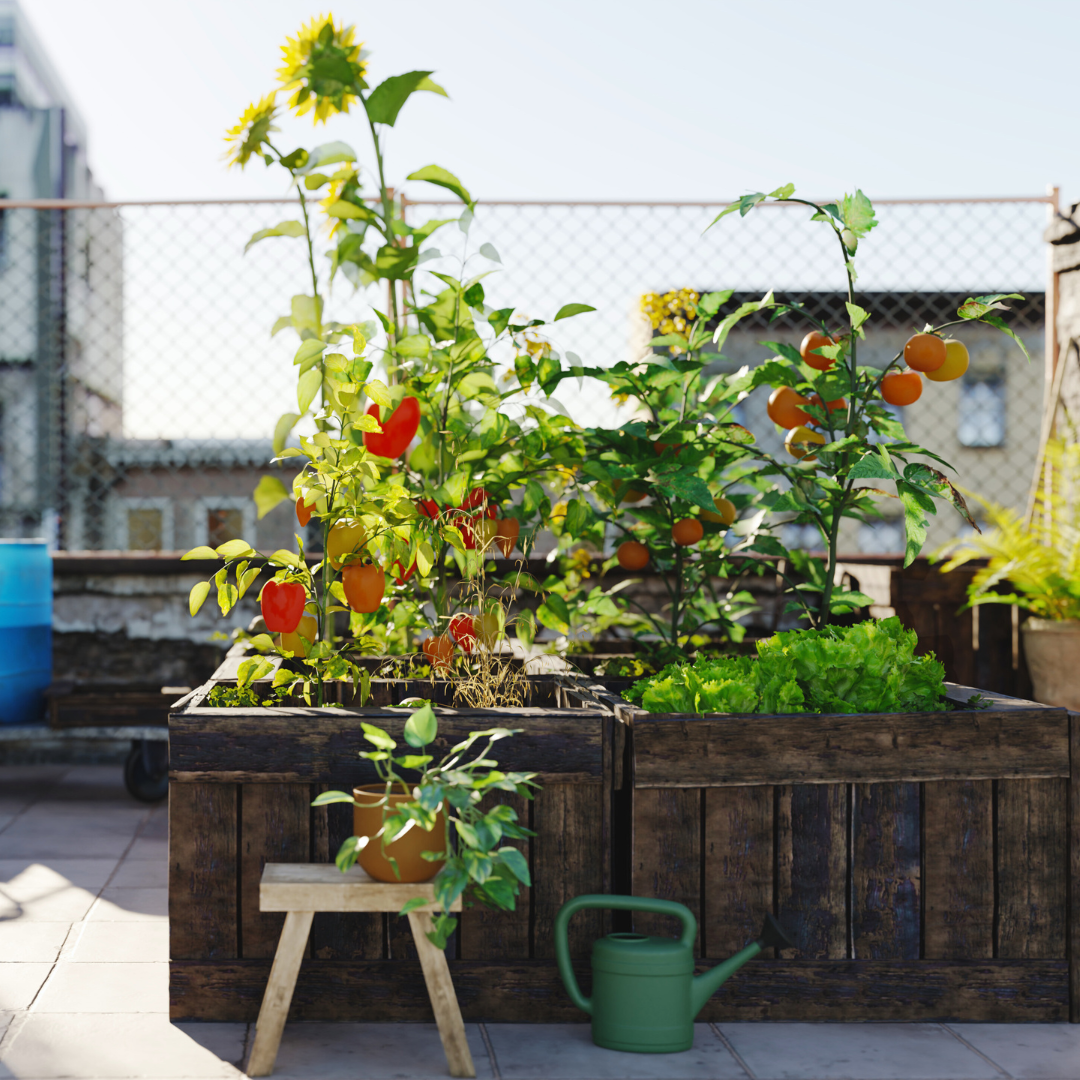
Urban gardening presents a unique opportunity for city dwellers to connect with nature amidst concrete landscapes. By maximizing limited space, individuals can cultivate their own green oasis, enjoying fresh produce while contributing to sustainable living practices. This practice not only enhances the urban environment but also offers numerous benefits, such as reduced carbon footprints and improved mental well-being.
As urban populations grow, so does the need for innovative gardening solutions. Small balconies, rooftop gardens, and community plots enable residents to engage in urban gardening, nurturing plants in confined areas. This movement encourages a shift towards self-sufficiency and helps create a sense of community among those who share a passion for gardening.
Exploring various urban gardening tips can empower anyone to make the most of their space. With thoughtful planning and a little creativity, even the busiest city dwellers can enjoy the rewards of growing their own food while positively impacting the environment.
Planning Your Urban Garden
Effective urban gardening requires careful planning to maximize limited space and make the most of available sunlight. By assessing the environment and selecting the right plants and containers, anyone can create a vibrant garden in urban settings.
Assessing Space and Sunlight
Urban gardeners should begin by evaluating the available space for gardening. Are they planning to use a rooftop, balcony, or deck that is enclosed with Screen Enclosures in Lexington, KY, or elsewhere? Accurately measuring the area and noting the dimensions is essential for understanding both the limitations and possibilities of the space.
Sunlight exposure plays a critical role in plant selection and placement. Most plants require at least 6 hours of sunlight daily. Gardeners should observe how sunlight moves through their space throughout the day. It may be helpful to create a light map, documenting which areas receive full sun or partial shade. Some produce doesn’t need a lot of light, such as mushrooms (depending on the strain) so think about what you would like to grow and the best way to do so.
In some cases, clearing overgrown trees or pruning nearby branches can improve sunlight access for rooftop or courtyard gardens. If you’re dealing with shaded areas due to tree overgrowth, you can Learn more about responsible removal and landscaping approaches that better support your urban garden’s light needs.
Engaging with vertical gardening techniques can also enhance space utilization. These methods allow for planting on walls or using climbing plants to thrive in vertical spaces, making the most of limited ground area and maximizing productivity.
Selecting Appropriate Containers
The choice of containers significantly influences the success of an urban garden. Lightweight containers are ideal for balconies or rooftops, preventing structural issues. Options include hanging baskets, raised beds, and vertical planters that suit smaller areas.
Material is another consideration; options vary from plastic to ceramic and fabric pots. It’s vital to ensure that containers have adequate drainage to prevent overwatering. Make sure to follow kit instructions when choosing appropriate growing conditions for your plants. Gardeners can enrich the aesthetic of their garden by mixing various container sizes and styles, creating visual interest.
To maximize space, gardeners can use stackable pots or tiered shelves. This approach frees up ground space and allows for more planting options.
Choosing Plants for Urban Conditions
Selecting resilient plants suited for urban environments is crucial. Urban areas often present challenges such as pollution and limited soil quality. Companion planting techniques can help improve plant growth and reduce pests.
Climbing plants are beneficial as they can grow vertically and save space. Varieties such as tomatoes or pole beans make productive use of trellises, allowing for easy care.
It’s important to consider plants that can thrive in microclimates, particularly in shaded or exposed areas. Herbs, salad greens, and compact vegetables often adapt well, providing fresh produce throughout the seasons. By choosing the right plants, urban gardeners can enjoy a flourishing garden despite the constraints of city living.
Cultivation Techniques
Effective cultivation techniques are essential for successful urban gardening. Proper soil management, watering strategies, and pest control contribute significantly to healthy plants and fruitful harvests.
Soil and Nutrient Management
Soil quality is paramount for plant health. Urban gardeners should start with quality potting soil enriched with organic matter like compost. Composting not only improves soil structure but also boosts nutrient levels.
Testing soil pH can guide adjustments to optimize plant growth. Adding amendments such as lime or sulfur can balance acidity or alkalinity. Moreover, using mulch helps retain moisture and suppress weeds, enhancing soil health.
Proper drainage is crucial. Raised beds or pots with drainage holes prevent root rot, ensuring excess water can escape. Regularly aerating the soil promotes root development and nutrient absorption.
Watering and Sunlight Strategies
Water management is key in urban gardening. Drip irrigation systems or self-watering pots reduce water waste and provide consistent hydration. Plants generally need adequate moisture without waterlogging, which can lead to issues like root rot.
Timing plays a major role; watering early in the morning or late in the afternoon minimizes evaporation. It’s also advisable to monitor the moisture level in the soil to avoid overwatering.
Sunlight is another critical factor. Most vegetables need adequate sunlight-at least 6-8 hours daily. For areas with limited light, consider using grow lights to supplement natural sunlight. Positioning tall plants to shield smaller ones can also maximize light exposure.
Pest and Disease Control
Effective pest management is essential for preserving plant health. Urban gardeners should adopt natural pest control methods, such as introducing beneficial insects like ladybugs to manage aphid populations.
Regular monitoring helps catch infestations early before they escalate. Encouraging biodiversity in the garden can deter pests naturally. However, in the case of an out-of-control pest outbreak, it is recommended to consult professional exterminators, like those from jamesriverpestsolutions.com. They can efficiently identify the source of the infestation, implement effective treatments to safely eliminate pests, and prevent future problems in the garden landscape.
In addition, practicing crop rotation minimizes disease buildup in the soil. Maintaining cleanliness around the garden area reduces the risk of disease spread.
Using barriers like row covers can physically protect plants from pests while allowing sunlight and moisture to reach them. Implementing these sustainable practices bolsters food security and enhances the environmental benefits of urban gardening.
Advanced Urban Gardening Techniques
Urban gardening can evolve significantly through specialized methods that embrace innovation, biodiversity, and community involvement. These techniques not only enhance plant growth but also foster community engagement and contribute to environmental sustainability.
Innovative Planting Methods
Incorporating hydroponics into urban gardening allows for soil-free cultivation, reducing space requirements and improving yield. This method utilizes nutrient-rich water solutions to grow plants, making it ideal for limited spaces such as balconies and rooftops.
Vertical gardening is another technique that maximizes space. By using trellises, wall planters, and shelves, gardeners can increase their planting area without needing more ground space. This method also improves air circulation and light exposure for the plants.
Benefits of Innovative Planting Methods:
- Space-saving solutions
- Greater control over growing conditions
- Increased crop yields in small areas
Expanding Biodiversity
Enhancing biodiversity in urban gardens is essential for a healthy ecosystem. Implementing companion planting techniques can lead to healthier plants by placing mutually beneficial species together. For example, pairing tomatoes with basil not only maximizes space but also deters pests.
Integrating native plants supports local pollinators and wildlife. Urban gardens that focus on biodiversity can create a refuge for various species while contributing to the ecological balance.
Strategies to Expand Biodiversity:
- Choose diverse plant species
- Include native and drought-resistant plants
- Create microhabitats for wildlife
Incorporating Community Spaces
Community gardens provide essential spaces for collective gardening efforts. They encourage social interaction and allow individuals to share resources and knowledge. This collaboration can significantly enhance the gardening experience.
Moreover, rooftop gardens can serve as green oases in urban environments, improving air quality and providing recreational areas for communities. These spaces not only beautify the city but can also contribute to food security.
Advantages of Community Gardens:
- Strengthened community ties
- Shared responsibilities and resources
- Enhanced food access through local cultivation
Lifestyle and Benefits
Urban gardening offers numerous advantages that enhance lifestyle choices and promote well-being. It encourages sustainable practices, provides fresh produce, and fosters a deeper connection with the environment and community.
Promoting Sustainable Living
Urban gardening emphasizes sustainable living by reducing reliance on commercially produced food. By growing vegetables and herbs at home, individuals can significantly lower their carbon footprint.
This practice encourages the use of natural pest control methods and organic fertilizers, contributing to healthier ecosystems.
Engaging in urban gardening allows gardeners to participate in local food networks, reducing transportation emissions associated with grocery shopping. Activities such as composting leftover scraps can also enrich soil health and promote circular economies within communities.
Improving Physical and Mental Health
Participating in urban gardening provides both physical and mental health benefits. Physically, it encourages regular exercise through activities like digging, planting, and weeding. This improves cardiovascular health, increases strength, and supports overall physical well-being.
Mental health benefits are equally significant. Gardening offers a therapeutic escape from daily stressors. It provides a space for mindfulness and relaxation, allowing individuals to reconnect with nature.
Studies show that spending time in green spaces enhances mood, reduces anxiety, and improves cognitive function. The act of nurturing plants and witnessing their growth fosters a sense of accomplishment.
Enhancing Food Security
Urban gardening plays a crucial role in enhancing food security, particularly in areas with limited access to fresh produce. By growing crops such as leafy greens, root vegetables, and microgreens, individuals can ensure a steady supply of nutritious food.
This self-sufficiency mitigates the impact of food price fluctuations and supply chain disruptions.
Community gardens cultivate social bonds and promote collaboration among residents, leading to shared resources and knowledge. Such initiatives can empower neighborhoods to take charge of their food sources, creating more resilient urban environments.
Overall, urban gardening is a practical approach to addressing food insecurity while fostering a sustainable lifestyle in urban settings.