
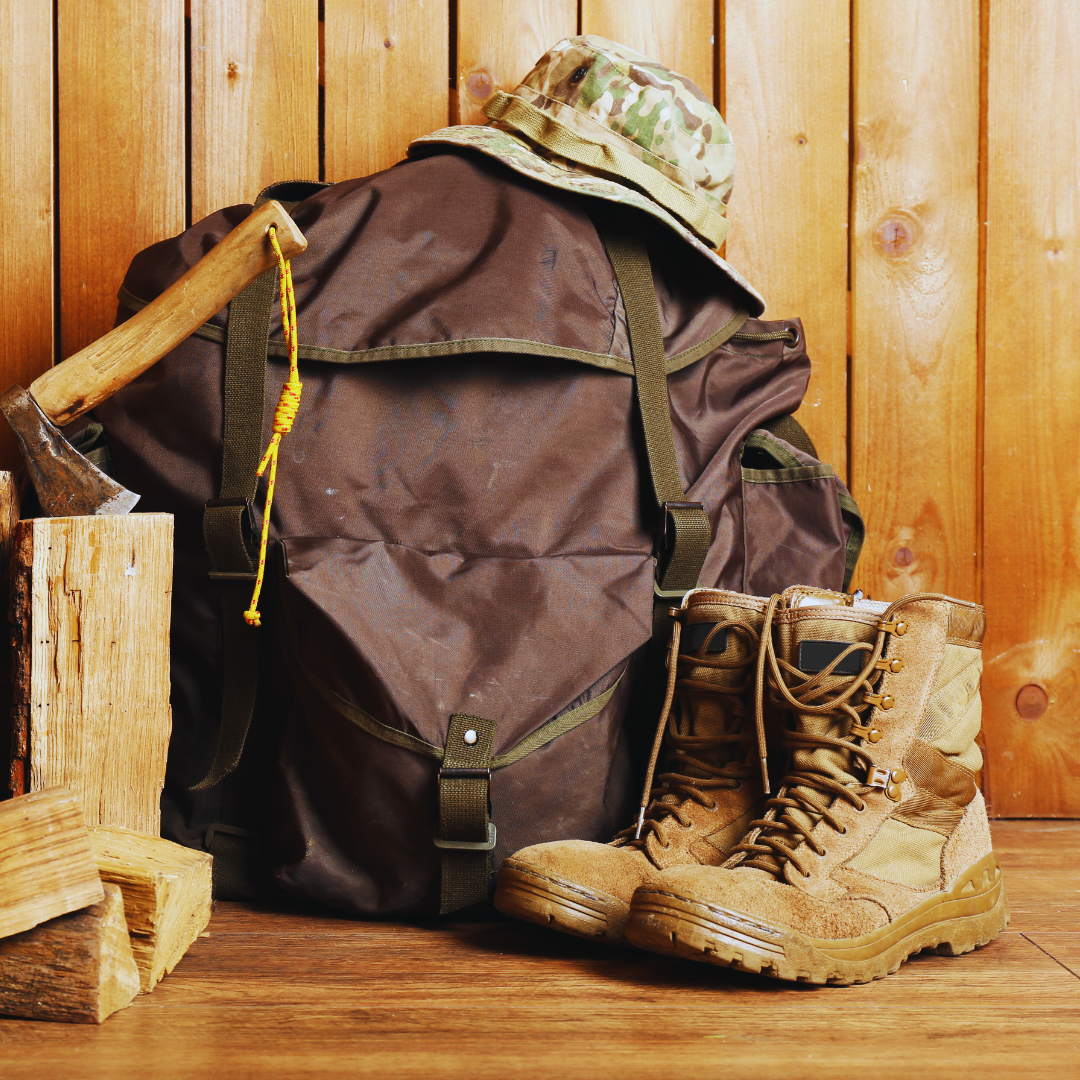
Choosing the right hunting backpack can greatly influence the success and comfort of any outdoor expedition. Lightweight hunting backpacks emphasize mobility and ease of use, making them ideal for day trips or quick hunts, while heavy-duty options provide durability and storage for longer journeys. Understanding the differences between these two types can help hunters select the best option for their specific needs.
Lightweight backpacks are designed for efficiency, allowing hunters to move quickly and carry only the essentials. In contrast, heavy-duty backpacks are equipped to handle more gear, offering sturdier materials and additional features like hydration reservoirs and multiple compartments. Each type has distinct advantages that cater to various hunting styles and environments.
When selecting the best hunting backpack, it is crucial to consider not only the weight but also the trip duration and terrain. By analyzing the features and capabilities of lightweight versus heavy-duty options, hunters can make an informed decision that enhances their hunting experience.
Understanding Hunting Backpack Types
Hunting backpacks vary significantly in design and functionality, with each type catering to different needs. The key distinctions include size, frame type, and intended use. Choosing the right backpack can enhance the hunting experience.
Day Packs and Extended Trip Packs
Day packs are ideal for short outings, typically ranging from 10 to 30 liters in volume. They are lightweight, allowing for ease of movement, and are designed to carry essential gear for a day of hunting. Features often include hydration reservoirs, adjustable straps, and compartments for organizing smaller items.
Extended trip packs, on the other hand, offer much larger capacities, typically exceeding 50 liters. These packs are built for multi-day trips and provide ample space for food, clothing, and gear. They prioritize durability and can support heavier loads. Important features include reinforced areas, multiple access points, and the capability to attach additional gear externally.
Internal Frame versus External Frame
Internal frame backpacks feature a support structure built into the bag, allowing for a streamlined design. This design hugs the body, providing better balance and agility during movement. Internal frames are often lighter, making them suitable for fast-paced hunts.
External frame backpacks have a more traditional design, placing the weight of the load on an external frame. This configuration allows for increased ventilation and can accommodate larger loads without sacrificing comfort. They are generally more durable and can be easier to pack, especially when carrying bulky items.
Both frame types have their advantages, and the best choice depends on the hunter’s specific needs and preferences.
Key Features of the Ideal Hunting Backpack
Selecting the right hunting backpack involves evaluating several essential features. Durability and comfort are critical for long treks, while functionality and storage capacity enhance the overall experience.
Durability and Weather Resistance
A hunting backpack should be constructed from high-quality materials that withstand rough terrain and adverse weather conditions. Fabrics like ripstop nylon or high-denier polyester offer strength and longevity.
Weather resistance is equally crucial; look for backpacks with water-resistant coatings or integrated rain covers to protect gear. Sealed seams and durable zippers also enhance resistance to moisture and wear.
For users in varied climates, a heavy-duty option may be ideal, while lightweight models also provide adequate durability for less demanding conditions.
Comfort and Support
For prolonged use, comfort is paramount. Padded shoulder straps distribute weight evenly, reducing pressure on the shoulders. Many backpacks feature lumbar support, which helps maintain proper posture and alleviates back strain.
A well-designed hip belt can also improve weight distribution and stability during hikes. Users should consider adjustable straps and breathable materials for enhanced airflow.
These features are especially important for those seeking the best budget-hunting backpack. Affordable options can still provide significant comfort and support with the right attributes.
Functionality and Accessibility
Functionality is critical for effortless navigation of gear. Look for backpacks with multiple compartments and pockets. A spotting scope pocket can provide quick access to viewing equipment when needed.
Expandable load shelves allow for extra gear without compromising comfort. These features ensure that hunters can reach their essentials quickly, aiding in efficient movement during trips.
Additional options like attachment points for trekking poles and hydration reservoirs enhance functionality, allowing for a more fluid and effective experience in the field.
Storage Capacity and Organization
Storage capacity is a key consideration when selecting a hunting backpack. An ideal model should offer sufficient space for clothing, equipment, and provisions while remaining manageable in size.
The organization plays an important role; several compartments can help separate items and make retrieving gear easier. Look for durable mesh pockets, zippered sections, and external attachment points for maximum versatility.
Finding the right balance between a lightweight design and ample storage is crucial. The correct choice ensures preparedness for various hunting scenarios without excess weight or clutter.
Top Hunting Backpack Recommendations
Choosing the right hunting backpack depends on the type of hunting and conditions. Below are recommended options for lightweight agility and heavy-duty durability.
Best Lightweight Options for Agile Hunting
For those who prioritize mobility, lightweight backpacks offer essential features without excess bulk.
- Mystery Ranch Treehouse 20: Weighs only 2.6 lbs and is great for day hunts. It has a 20-liter capacity with adjustable shoulder straps and a hydration pocket.
- Stone Glacier Evo 3300: This option weighs around 4.5 lbs and provides 3,300 cubic inches of storage. It features a minimalist design, perfect for those who want to carry their gear without unnecessary weight.
- Badlands 2200: A popular choice due to its 2,200 cubic inches of capacity. Its weight is approximately 4 lbs, and it includes an integrated meat shelf.
These options focus on lightweight materials while maintaining durability for agile movements during hunts.
Heavy-Duty Backpacks for Big Game and Extreme Conditions
When hunting larger game or in tough environments, heavy-duty backpacks are essential for durability and capacity.
- Mystery Ranch Metcalf: This pack offers a 3,500 cubic inches capacity and weighs about 5 lbs. Designed for rugged use, it includes a unique load-bearing design that distributes weight efficiently.
- Stone Glacier Sky 5900: This is built for serious backcountry hunters, providing up to 5,900 cubic inches of space. It weighs around 6 lbs and is made from robust fabric, ideal for harsh conditions.
- Kifaru Shape Charge: Weighing approximately 5 lbs, it features a modular design allowing for customization. Its tough materials and substantial storage make it suitable for intense adventures.
These backpacks provide the strength and space needed for extended hunts in demanding environments.
Practical Tips for Choosing Between Lightweight and Heavy-Duty
Selecting between lightweight and heavy-duty hunting backpacks involves assessing several factors.
- Type of Hunting:
The choice depends largely on the type of hunting. For whitetail hunting, a lighter pack may suffice. In contrast, for backcountry hunting or elk hunting, a heavy-duty option can offer the necessary durability and storage capacity. - Duration of Trips:
For short trips, a lightweight backpack can enhance mobility. For extended journeys, a heavy-duty pack may provide better support for camping gear and additional supplies. - Weight of Gear:
Consider the weight of hunting gear. Lightweight packs are ideal for carrying minimal gear, while heavy-duty backpacks accommodate more equipment, making them suitable for saddle hunting. - Comfort and Fit:
A comfortable fit is crucial. Lightweight models often feature streamlined designs that enhance movement. Heavy-duty backpacks should have padded straps and support to carry heavier loads without strain. - Storage Needs:
Evaluate storage requirements. Backpacks designed for western hunting typically include specialized compartments for hunting gear and additional pockets for organization, which is beneficial for long trips. - Weather Conditions:
Consider the weather. Heavy-duty backpacks often offer better weather resistance, important for adverse conditions. Lightweight options may not provide the same level of protection but can be more breathable.
Choosing wisely between lightweight and heavy-duty options ensures the backpack meets the specific demands of each hunting trip.