
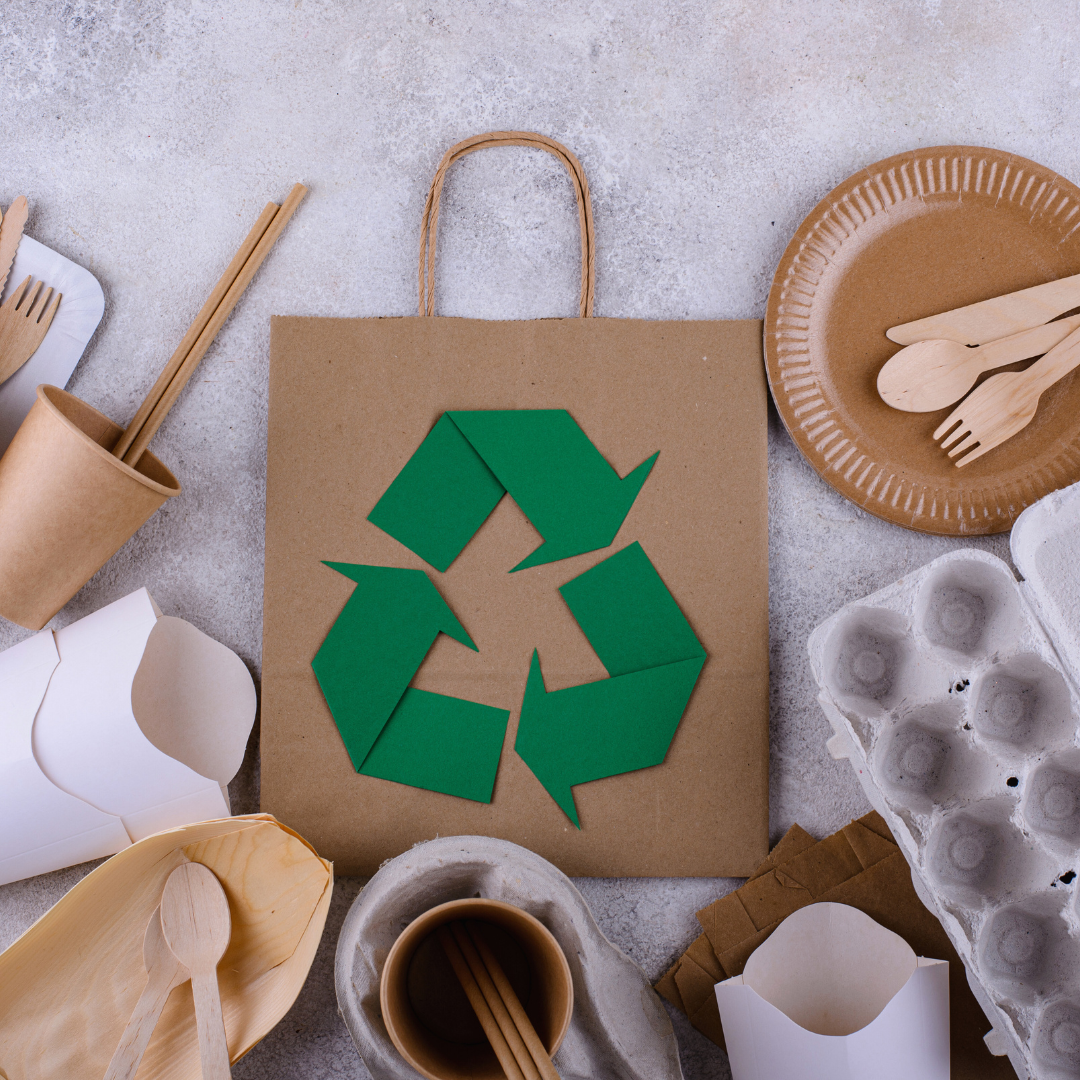
The growing concern over the environmental impact of single-use plastic has led many to seek eco-friendly alternatives. Sustainable living is not only a trend but a necessity, and switching to alternatives can significantly reduce plastic waste. From reusable bags to biodegradable utensils, individuals have numerous options available to make a positive difference.
As awareness of the harmful effects of plastic pollution increases, the demand for sustainable products continues to rise. People can contribute to a healthier planet by choosing materials that are not only eco-friendly but also practical. Innovations in reusable and compostable materials are making it easier for everyone to adopt greener habits.
Making a conscious effort to replace single-use plastics can create lasting change. With a variety of alternatives on the market, transitioning to more sustainable options is both achievable and beneficial. By embracing these products, individuals can participate in a collective movement toward reducing plastic waste and protecting the environment.
Understanding the Impact of Single-Use Plastics
Single-use plastics have significant consequences for the environment that extend beyond their immediate convenience. Their contribution to pollution and resource depletion plays a crucial role in the ongoing environmental crisis.
Consequences for Marine Life and Ecosystems
Plastic waste in oceans poses a direct threat to marine life. Animals often ingest plastic debris, mistaking it for food, which can lead to malnutrition and death. Species such as sea turtles, seabirds, and marine mammals are particularly vulnerable to the impacts of microplastics.
Microplastic pollution disrupts ecosystems, as it enters the food chain. Organisms at various levels, from plankton to larger predators, are affected. This not only endangers wildlife but also impacts human health, as toxins from plastics can accumulate in seafood consumed by people.
Contribution to Resource Depletion and Climate Change
The production of single-use plastics relies heavily on fossil fuels, contributing to resource depletion. Extraction and refining processes release significant amounts of carbon dioxide into the atmosphere, exacerbating climate change.
Furthermore, plastic waste contributes to environmental pollution. Landfills and incineration generate greenhouse gases, further increasing the carbon footprint of disposable plastics. Transitioning to eco-friendly alternatives could mitigate these impacts, fostering a more sustainable future and preserving natural resources.
Advancing Towards Sustainable Materials
The movement towards sustainable materials is gaining momentum as industries seek alternatives to single-use plastics. Innovations in biodegradable options and plant-based materials are leading the charge in reducing environmental impact.
Biodegradable and Compostable Alternatives
Biodegradable materials break down naturally over time with the help of microorganisms. Biodegradable plastics typically decompose in a matter of months rather than years. Common types include those made from starch or polylactic acid (PLA).
Compostable plastics are a subset of biodegradable materials that fully break down into non-toxic components within composting facilities. They require specific conditions to decompose properly, enabling their transformation into nutrient-rich compost.
These alternatives can significantly lessen plastic pollution. By choosing biodegradable and compostable products, consumers contribute to a more sustainable approach to waste management.
Innovations in Bioplastics and Plant-Based Options
Bioplastics represent a significant advancement in sustainable materials. Derived from renewable resources, they can replace traditional petroleum-based plastics.
Materials such as PHA (polyhydroxyalkanoates), produced by microorganisms, are gaining attention for their biodegradable properties. In contrast, seaweed-based packaging offers an innovative solution that is both renewable and biodegradable.
These new materials not only reduce reliance on fossil fuels but also present opportunities for circular economy practices. As research continues, these options can further transform packaging industries, providing effective alternatives to single-use plastics.
Implementing Reusable and Durable Solutions
Adopting reusable and durable solutions significantly reduces reliance on single-use plastics. Reusable cups, in particular, have become a simple yet effective way to cut down on everyday waste. Many businesses and event organisers are now incorporating these solutions into their operations, using them for beverages at cafés, festivals, and corporate events. Companies like printed cups are helping support this shift by providing reusable, branded drinkware that not only reduces waste but also enhances brand visibility. This section explores various options to enhance sustainability in personal and household practices.
Large events often struggle with the volume of waste created by disposable drinkware. Using durable alternatives helps solve this problem while meeting safety standards for public spaces. Many organizers choose half pint cups because they are shatterproof and easy to clean in industrial dishwashers. These items often have legal measure lines to help staff serve drinks accurately. This approach works well for both indoor bars and outdoor music festivals. It is a practical way to move away from single-use items without losing the convenience of portable drinks.
From Bottles to Bags: Embracing Reusability
Reusable items are available for many daily needs. Reusable water bottles, for instance, can replace single-use plastic bottles. These bottles come in materials like stainless steel or glass, which are durable and help maintain the temperature of beverages.
Reusable shopping bags are essential for reducing plastic bag usage. They often come in foldable and lightweight designs, making them convenient to carry. Additionally, mesh produce bags can replace plastic bags used for fruits and vegetables, contributing to less plastic waste.
Other useful items include reusable straws, which can be made from materials such as bamboo or stainless steel. Transitioning to these alternatives allows consumers to make a significant dent in single-use plastic consumption while promoting a sustainable lifestyle.
Transitioning to Eco-Friendly Household Items
Eco-friendly household items present practical solutions that assist in minimizing plastic usage. Reusable containers in various sizes can store food, making them preferable over plastic wrap and disposable packaging. Options such as glass containers and silicone food storage bags are excellent choices for meal prep and leftovers.
Beeswax wraps serve as a sustainable alternative to plastic wrap, providing an effective way to keep food fresh. For tea enthusiasts, reusable cotton tea bags are available for brewing loose-leaf tea, alleviating the need for single-use paper bags.
Further, incorporating reusable cutlery and cups promotes eco-friendliness during meals and events. Using these items not only reduces plastic waste but also enhances the overall sustainability of daily living.
Promoting a Culture of Environmental Responsibility
Fostering a culture of environmental responsibility is essential for reducing plastic waste and promoting sustainable living practices. This involves encouraging effective recycling and responsible waste management, while also educating individuals on sustainable consumption habits.
Encouraging Recycling and Responsible Waste Management
Recycling plays a crucial role in minimizing waste and decreasing resource depletion. Communities can implement accessible recycling programs that simplify the process for residents. It is important to provide clear guidelines on what materials are recyclable and how to sort waste properly.
Encouraging local businesses to utilize recyclable materials in their packaging enhances this effort. Additionally, organizing community clean-up campaigns can promote responsible waste management and foster a sense of collective responsibility. People are more likely to engage in eco-friendly practices when they observe active involvement from those around them.
Educating for a Mindset of Sustainable Consumption
Education is vital in cultivating a mindset of sustainable consumption. Workshops and seminars can inform individuals about eco-friendly swaps and alternatives to single-use plastics. Engaging storytelling and real-life examples can make the concept relatable and actionable.
Schools should integrate sustainability topics into their curricula, instilling these values in students from a young age. Highlighting the importance of reducing plastic waste can motivate individuals to make informed choices about their purchases.
Promoting the benefits of sustainable living leads to greater community involvement and a shift in consumer behavior, making environmental responsibility a collective goal.