
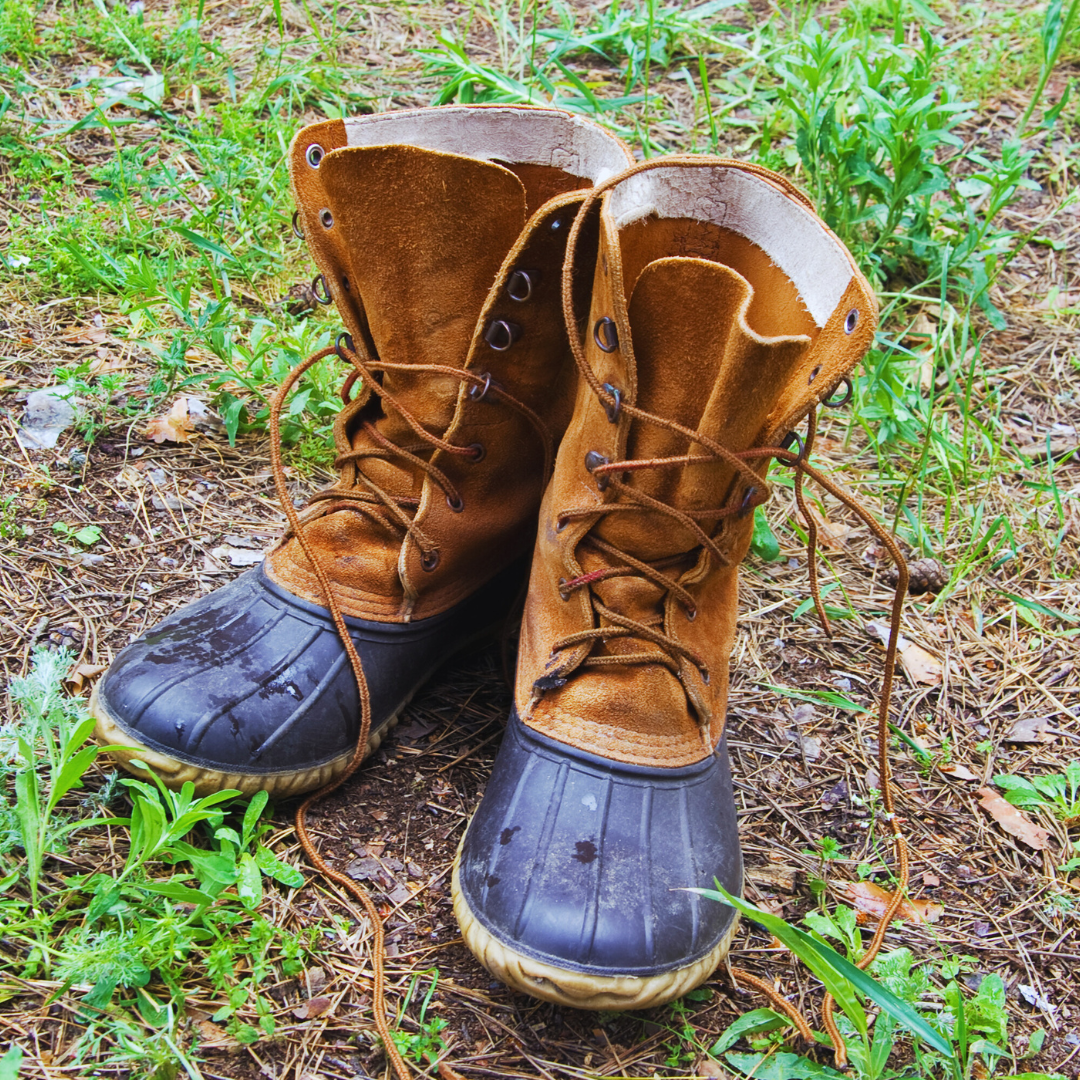
Choosing the right pair of hunting boots is essential for a successful and comfortable outing. The ideal hunting boots should provide support, insulation, waterproofing, and traction suited to the terrain and weather conditions. A well-chosen pair can significantly enhance mobility and reduce fatigue during long hours spent in the field.
Hunters must consider factors such as boot height, material, and intended use while also understanding their specific needs. Whether navigating through wet swamps or rocky terrains, finding the perfect balance of features will ensure confidence and preparedness.
Investing time in selecting the right hunting boots will pay off in the field. They not only protect the feet but also contribute to overall performance and enjoyment of the hunt. Making an informed choice will help any hunter stay focused on their experience rather than their discomfort.
Understanding the Basics of Hunting Boots
Selecting the right hunting boots requires a clear understanding of the various types available and the materials used in their construction. Each choice brings specific advantages suited to different hunting conditions and environments.
Types of Hunting Boots
Hunting boots come in several types, each designed for unique conditions.
- Leather Boots: These offer durability and water resistance. They are favored for rugged terrains.
- Rubber Boots: Lightweight and waterproof, ideal for wet environments.
- Hybrid Boots: Combine features of both leather and rubber, providing versatility.
- Insulated Boots: Important for colder climates, offering warmth alongside protection.
The choice of boot should take into account the hunting environment, weather conditions, and personal comfort preferences.
Materials and Build
The materials used in hunting boots play a crucial role in performance.
- Leather: Known for its durability and comfort, high-quality leather molds to the foot over time. Properly treated leather provides water resistance and breathability.
- Synthetic Materials: Often lighter and easier to maintain than leather, these materials deliver good performance at a lower cost. They can provide flexibility and moisture-wicking properties.
- Rubber: Utilized for waterproofing and ease of cleaning, rubber boots are ideal for muddy situations.
Quality construction methods, like reinforced seams and slip-resistant soles, further ensure the boots can withstand challenging environments while maintaining comfort and safety.
Selecting the Right Fit and Comfort
Choosing the correct fit and comfort level is essential for effective hunting. Proper sizing and features prevent discomfort during long hours in various terrains, ensuring focus and performance.
Sizing and Fit
Getting the right size is crucial for hunting boots. They should fit snugly but not overly tight, allowing for both movement and stability. Consider measuring both feet, as one might be larger than the other. Use the following guidelines for sizing:
- Width: Different brands offer various widths. Ensure there is enough room for the toes without excessive space.
- Length: A thumb’s width of space between the toes and the boot’s front is ideal.
- Volume: Some boots cater to higher arches, while others are designed for flatter feet.
Choosing the wrong size can lead to blisters and discomfort.
Comfort Features
Comfort is influenced by several features in hunting boots. Look for these elements to enhance overall experience:
- Padding: Ample padding in the tongue and collar adds comfort when walking.
- Insoles: High-quality insoles provide arch support and shock absorption.
- Weight: Lightweight boots help reduce fatigue during long treks. Heavier boots may offer durability but can compromise mobility.
- Insulation: If hunting in cold conditions, insulated boots retain warmth while allowing breathability.
Ensuring boots have these features will greatly increase comfort levels during use.
Breaking in Your Boots
Properly breaking in boots is a vital step that should not be overlooked. The break-in period allows the materials to conform to the wearer’s feet, reducing the risk of blisters.
- Duration: Spend a few days wearing boots around the house or for short walks.
- Hunting Socks: Always wear the same kind of socks during this period that you plan to use while hunting.
- Adjust Gradually: Increase the duration and intensity of use gradually.
This approach helps in preventing discomfort and ensures that the boots function effectively in the field.
Performance and Protection
Choosing hunting boots that excel in performance and protection is crucial for a successful outing. Focused attention on aspects like traction, waterproofing, and durability ensures that the boots can withstand diverse conditions.
Traction and Stability
Traction is essential when navigating rugged terrain. Boots with an aggressive outsole design enhance grip, reducing the risk of slips. Look for those featuring rubber with multidirectional lugs, providing optimal traction on various surfaces.
Stability is equally important, especially on uneven ground. A stiffer boot often delivers better support, helping with balance during long hikes. Incorporating a solid midsole, like EVA, aids in shock absorption and improves overall comfort. Selecting boots with features promoting traction and stability will ensure reliable performance in challenging environments.
Waterproofing and Insulation
Waterproofing is critical for maintaining comfort during wet conditions. Boots utilizing Gore-Tex notation offer excellent breathability while keeping moisture out. This feature prevents your feet from becoming damp, which is vital in colder weather.
Insulation should be considered to protect against the elements. Materials such as Thinsulate provide warmth without adding excessive bulk. Higher insulation ratings are suited for colder climates, while lighter options work well in milder temperatures. These elements work together to keep feet dry and warm, allowing the wearer to concentrate on the hunt.
Additional Support and Durability
Ankle support is paramount in preventing injury. Boots that cover the ankle provide stability, reducing the likelihood of twists and sprains. A well-constructed boot with proper lacing systems enhances this support.
Durability is essential, especially for frequent hunters. Quality materials like full-grain leather resist wear and tear. Additionally, reinforced stitching can prevent seams from fraying, prolonging the life of the boot.
When selecting hunting boots, prioritize models that assure support and long-lasting performance in demanding conditions.
Practical Considerations and Care
When selecting hunting boots, it is crucial to consider factors like hunting style, maintenance needs, and budget. These aspects significantly influence both comfort and the longevity of the boots.
Choosing Boots for Your Hunting Style
Different hunting styles require specific features in boots. For instance, those who take long walks may prioritize lightweight options made with materials like TPR (Thermoplastic Rubber) for flexibility and durability.
A hunter who typically traverses rugged terrain may need boots with enhanced ankle support and thicker soles for traction. It is essential to assess the primary environment and set preferences before making a choice. Waterproofing is also an important consideration. Choose boots with breathable membranes to keep feet dry without overheating during extended hunts.
Maintenance and Care
Proper maintenance extends the life of hunting boots. Regular cleaning removes dirt and debris that can degrade materials. Use a soft brush and mild soap to clean the exterior, and avoid abrasive tools that can scratch the surface.
Conditioning leather boots with appropriate products can prevent cracking. Inspection for damage is crucial; check seams and soles for any signs of wear. Storing boots in a cool, dry place prevents mold and maintains shape. Using boot trees or stuffing with newspaper can help retain structure between uses.
Budget and Warranty
Budget considerations play a vital role when purchasing hunting boots. While quality often correlates with price, it’s important to look for boots that offer the best value based on features and intended use.
Many brands provide warranties that reflect their confidence in their products. Pay attention to return policies as well; some manufacturers allow returns even after short periods of use, ensuring satisfaction with the purchase. Taking time to evaluate price versus functionality can help hunters make informed decisions while keeping an eye on their expenses.