
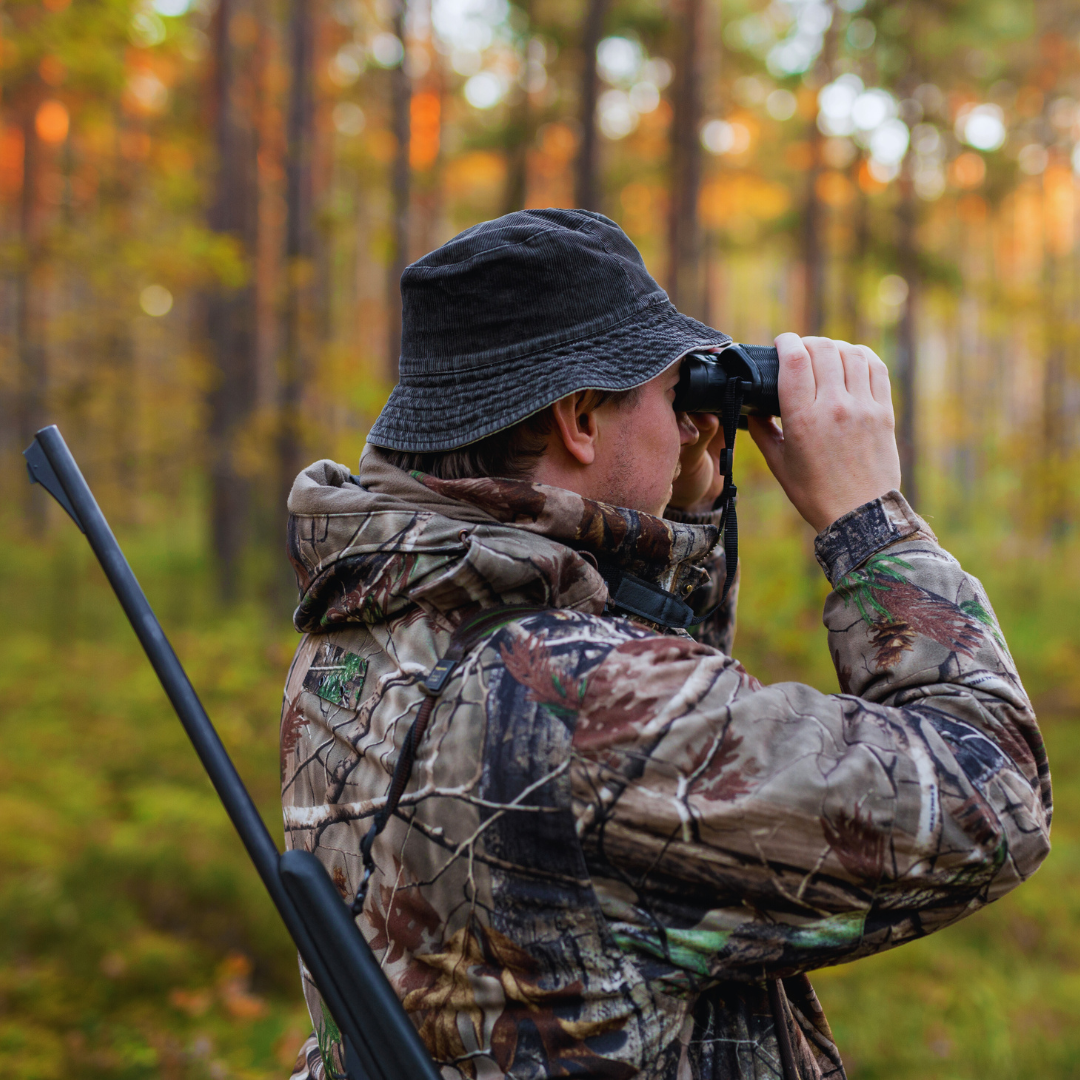
When it comes to selecting optical equipment for outdoor activities, the choice between monoculars and binoculars can significantly impact one’s experience. For those engaged in hunting, bird watching, or even astronomy, understanding the strengths of each option is crucial. Monoculars are often lighter and more compact, making them an excellent choice for mobile hunters, while binoculars provide a more immersive viewing experience.
Monoculars suit situations where quick, single-handed observations are needed, perfect for spotting distant game without excess weight. On the other hand, binoculars deliver depth perception, allowing users to gauge distances more accurately. This aspect can be particularly beneficial during hunting, where precision is vital.
In addition to their hunting applications, monoculars and binoculars serve enthusiasts in hiking and observing wildlife. Each has unique features tailored for specific needs and preferences. Familiarity with both tools enables users to make informed choices that enhance their outdoor adventures.
Understanding Optics and Magnification
Optics and magnification play a crucial role in the performance of monoculars and binoculars, affecting image quality and clarity. Key factors include lens quality, coatings, and appropriate magnification power tailored to specific activities.
Comparing Lens Quality and Coatings
Lens quality significantly influences light transmission and image clarity. High-quality glasses, such as ED (Extra-low Dispersion) glass, minimize chromatic aberration, which enhances the sharpness of images.
Coatings are essential for optimizing performance. Multiple coatings on lenses reduce glare and improve light transmission. For instance, fully multi-coated lenses ensure maximum light capture, ideal for low-light conditions typical in hunting scenarios.
Different types of coatings include:
- Coated: Basic single coating for light improvement.
- Fully Coated: Every lens surface is coated.
- Multi-Coated: Multiple layers of coatings enhancing light transmission.
- Fully Multi-Coated: All surfaces have multiple layers for the clearest images.
Magnification Power for Various Activities
Magnification power determines how close an observer can get to a subject without physical proximity. For hunting, appropriate magnification helps in distinguishing details at varying distances.
Common magnification ranges include:
- Low (5x – 8x): Suitable for tracking moving targets.
- Medium (8x – 12x): Balances detail with a wider field of view.
- High (12x and above): Ideal for distant viewing but may reduce stability without a tripod.
The objective lens diameter also affects image brightness. A larger diameter allows more light to enter, which is helpful in twilight conditions. Always consider the combination of magnification and objective lens for optimal performance.
Evaluating Form and Function
When considering monoculars versus binoculars for hunting, several critical aspects come into play. These include ergonomics, portability, weight, and the overall viewing experience, including field of view and image stabilization.
Ergonomics and Comfort
Ergonomics is essential for long-term use, especially during extended hunts. Monoculars often feature a single barrel, making them easier to grip. They are typically lighter, reducing the risk of eye fatigue.
Binoculars, with their dual lenses, provide a more stable view through a wider field of vision. This dual perspective can decrease eye strain during lengthy observation periods. This advantage is vital for hunters who rely on steady visual acuity. Eye relief is also crucial, as greater relief can prevent discomfort from prolonged use.
Portability and Weight Concerns
For hunters prioritizing mobility, weight and portability are key. Monoculars are generally more compact and lighter than binoculars, making them easier to carry during long treks.
Hunters who favor a minimalist approach appreciate the lightweight design of monoculars. Conversely, compact binoculars provide a balance of size and functionality, offering a trade-off between bulk and enhanced viewing capacity. Weight distribution is an important consideration; comfortable designs can significantly enhance usability during long outings.
Field of View and Image Stabilization
The field of view varies notably between monoculars and binoculars. Binoculars typically provide a wider viewing range, accommodating hunters who need to scan larger areas quickly.
Image stabilization features in some binoculars can mitigate the effects of hand shake, allowing for clearer observation. This is especially beneficial in dynamic environments where subjects may move unexpectedly. Monoculars, while generally offering less expansive field advantages, allow for quicker deployment. Their simpler design enables swift adjustments, ideal when spotting game at a distance.
In this context, the choice ultimately hinges on the user’s specific needs and hunting style.
Advanced Features for Enhanced Performance
Modern hunting optics have incorporated advanced features that significantly enhance performance in the field. Key aspects include night vision technology and the overall durability of these devices, ensuring reliable use in challenging environments.
Night Vision Technology Across Devices
Night vision has become a vital feature in both monoculars and binoculars. Night vision monoculars utilize image intensification and infrared (IR) illuminators, allowing hunters to see in low-light conditions.
In contrast, night vision binoculars provide a wider field of view, which is advantageous for scanning larger areas. The choice between the two often depends on personal preferences and specific hunting scenarios.
Single tube night vision monoculars tend to be lighter, making them easier to carry. Multi-tube systems in binoculars offer enhanced depth perception. Users should consider factors such as exit pupil size and magnification for optimal performance in diverse conditions.
Longevity and Durability of Hunting Optics
Durability is crucial for hunting optics, as they must withstand harsh environments and rugged use. Many night vision devices come equipped with weatherproofing features, ensuring functionality in rain or fog.
Materials like rubber armor provide shock resistance and improve grip, which is essential for stability during extended periods of use. It is also important to consider the lens coatings, which enhance light transmission and provide clarity.
Brands often market their products with a focus on ruggedness. Users should look for features such as reinforced casings and sealed optics to prevent internal fogging. Longevity in performance can lead to a more reliable hunting experience over time.