
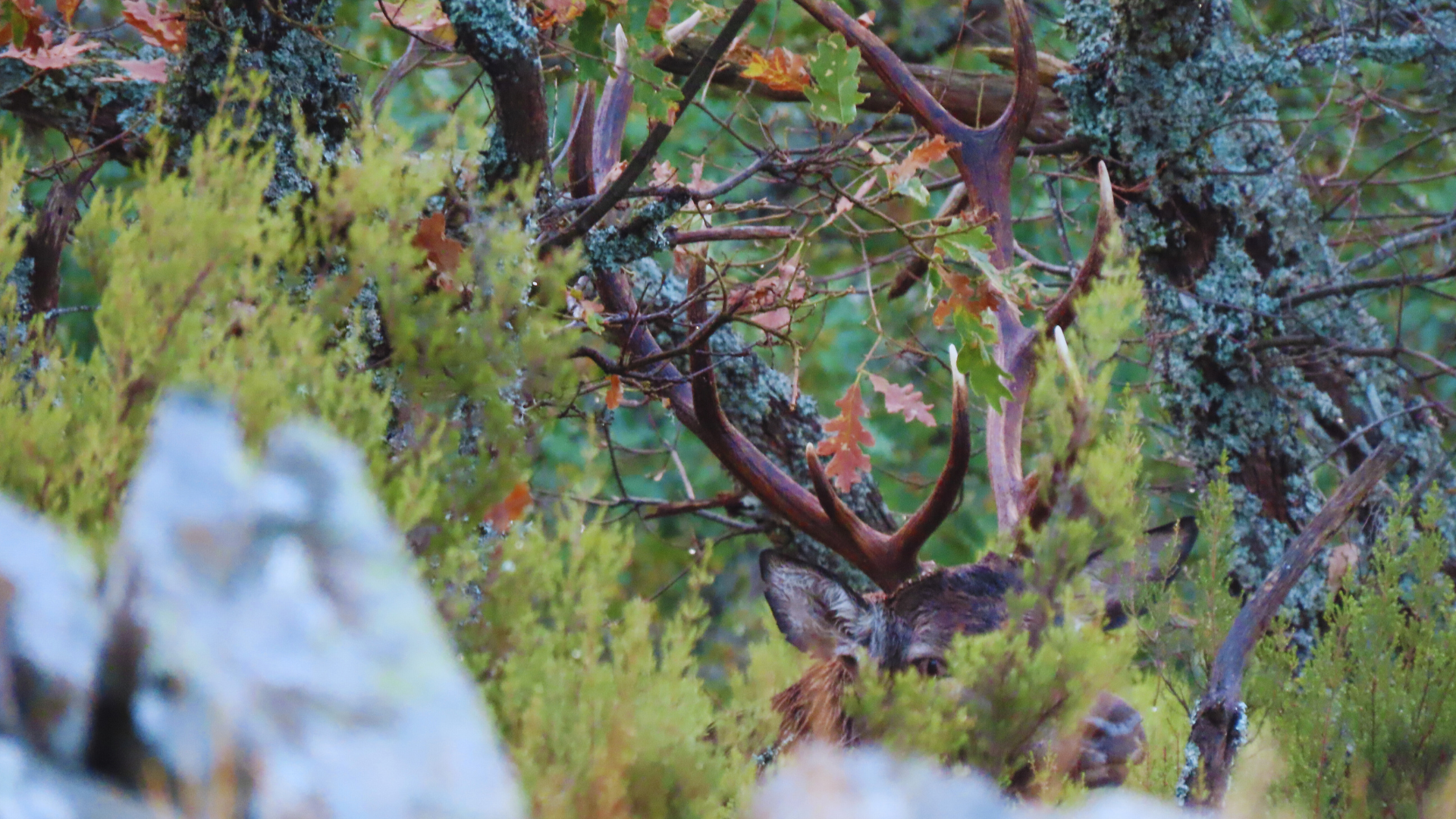
In the world of outdoor activities, camouflage patterns play a crucial role, especially in hunting. Different seasons require specific camouflage designs to enhance concealment and improve the hunting experience. As the environment changes with the seasons, so do the characteristics of natural landscapes, making it vital for hunters to adapt their gear accordingly.
During spring and summer, vibrant greens and earthy tones blend seamlessly with foliage, while autumn calls for shades of orange, brown, and yellow. In winter, a white or muted palette that mimics snow-covered terrain becomes essential for effective concealment. Each pattern not only serves its purpose for blending in but also reflects the harmony between human activity and nature.
Choosing the right camouflage can significantly impact a hunter’s success. Understanding the seasonal dynamics of local wildlife and their habitats can lead to smarter gear choices, ultimately enhancing the overall hunting experience.
The Role of Camouflage in Hunting
Camouflage is essential in hunting for enhancing stealth and increasing the chances of successfully approaching prey. Different patterns and techniques enable hunters to blend into various environments, thereby improving their effectiveness.
Understanding Camo Patterns
Camo patterns are designed to mimic the natural surroundings, helping hunters remain undetected. Common patterns include:
- Mimetic: These replicate natural textures and colors, ideal for forested areas.
- Digital: Features pixelated designs to break up the outline, suitable for mixed terrain.
- Seasonal: Reflects seasonal color changes, like snow patterns for winter or foliage for summer.
The choice of camouflage pattern impacts how well a hunter can conceal themselves, allowing them to observe animals without alarming them.
Concealment Techniques
Effective concealment goes beyond just wearing the right camouflage. Various techniques enhance stealth:
- Movement Control: Slow, deliberate movements help avoid detection.
- Positioning: Staying behind natural barriers like bushes or trees provides extra cover.
- Sound Management: Using quiet gear and avoiding unnecessary noise is crucial.
By employing these techniques, hunters can increase their chances of success in the field, making their camouflage more effective in the hunting environment.
Choosing the Right Camo for the Season
Selecting the appropriate camouflage pattern is crucial for effective concealment in varying environments. Seasonal changes significantly influence the effectiveness of different camo patterns in both hunting and outdoor activities.
Spring and Summer Camo Strategies
In spring and summer, the landscape is lush and vibrant. Camo patterns should reflect the abundance of greens, browns, and earth tones typical of these seasons. Patterns utilizing leafy motifs or high-contrast greens work well in wooded areas.
In open fields, lighter hues that mimic grass and wildflowers are essential. Opt for breathable fabrics in gear to ensure comfort during warmer temperatures. Using a blend of patterns that break up the outline is effective. Consider options with digital patterns that adapt to both dense foliage and open terrains.
Fall Camo Considerations
During fall, the foliage changes to oranges, reds, and yellows, creating a dynamic backdrop. For optimal concealment, camo should incorporate these warm tones. Hunting gear featuring a mix of earth tones and crisp outlines blends well with the terrain. Patterns that mimic the changing colors of leaves will enhance effectiveness in wooded areas.
This season also sees a mix of bare trees and underbrush, so patterns should disrupt outlines while matching the shifting landscape. Lightweight layers help maintain comfort as temperatures fluctuate.
Winter Weather Camouflage
In winter, snow camo becomes essential for concealment in snowy environments. Patterns should feature predominantly white with grey or soft earth tones to blend in with the landscape. Effective winter camo also includes designs that mimic the texture of snow and frost-covered foliage. In wooded areas, gear should incorporate darker patterns near tree trunks to break up silhouette against the snow.
Material choice is also critical; insulating layers that are camouflaged provide warmth without sacrificing visibility. Using accessories like gloves and face masks in matching patterns enhances complete concealment.
Specialized Camouflage Approaches
Various specialized camouflage designs enhance concealment in different environments. These approaches consider factors like terrain, season, and purpose, ensuring effective hiding capabilities.
Adaptive and 3D Camo
Adaptive camouflage utilizes technology that adjusts patterns based on surroundings. This type of camo can change textures and colors in real-time, mimicking the environment almost seamlessly. 3D camo takes advantage of physical structures added to clothing or gear, like leaves or branches, to create depth. This dimensionality breaks up outlines, making objects less recognizable in natural settings.
For instance, military applications benefit from these designs in combat zones where blending in is crucial. Similarly, hunting gear often employs adaptive and 3D camo for improved concealment in various weather conditions, enhancing effectiveness in the field.
Ghillie Suit Effectiveness
The ghillie suit is a traditional yet highly effective form of camouflage. Its design integrates natural vegetation, allowing wearers to blend into their environments, especially in rural or forested areas. The suit consists of a netting base covered with strips of fabric, burlap, or yarn that mimic local flora. This makes it difficult for observers to discern movement or presence.
Ghillie suits are widely used by military snipers and wildlife photographers due to their effectiveness. When worn properly, they provide maximum camouflage, allowing individuals to remain hidden for extended periods.
Urban and Digital Camo Patterns
Urban camouflage designs cater specifically to city environments, where traditional patterns may not suffice. They incorporate broken-up shapes and colors reminiscent of concrete, asphalt, and urban clutter.
Digital camo, characterized by pixelated patterns, offers versatility across environments. The distinctiveness of digital designs helps mask an individual against various backdrops by breaking up their outline.
Patterns like Realtree Xtra and Realtree Edge utilize similar principles, providing hunters with effective concealment in both forest and urban settings. Each design serves to enhance the effectiveness of the camouflage in the specific environments where users are active.
Assessing Camouflage Effectiveness
Evaluating the effectiveness of camouflage involves analyzing terrain-specific patterns and color combinations that optimize concealment. The adaptability of these patterns to different environments plays a crucial role in their success.
Terrain-Specific Patterns
Terrain significantly impacts the selection of camouflage patterns. Different environments require patterns that blend seamlessly with the surrounding landscape.
- Forest Environments: Patterns featuring dark greens, browns, and blacks are effective. Breakup camouflage is common, using shapes to disrupt the outline of the body.
- Desert Areas: Lighter colors, such as tans and yellows, work best. Mimicry camo often resembles the sandy terrain, aiding in concealment.
- Urban Settings: Grey and muted colors help blend with concrete and asphalt. Patterns often mimic urban debris, like bricks or shadows.
Understanding these specifics ensures individuals can choose the most effective camouflage for their environment.
Color and Pattern Analysis
Color and pattern analysis is essential in determining how well camouflage will perform. The right combination can greatly enhance effectiveness.
- Color Matching: Camouflage needs to match the predominant colors of the environment. In fall, shades of orange and yellow are beneficial, while winter demands whites and grays.
- Pattern Complexity: Simple patterns may not break up outlines effectively. Complex designs utilizing varied shapes can confuse observers and enhance concealment.
- Seasonal Adaptability: Seasonal changes necessitate different camouflage. Patterns must evolve to reflect changes in foliage and habitat to maintain effectiveness across seasons.
This analysis helps define the best camouflage options available, ensuring optimal performance in diverse environments.