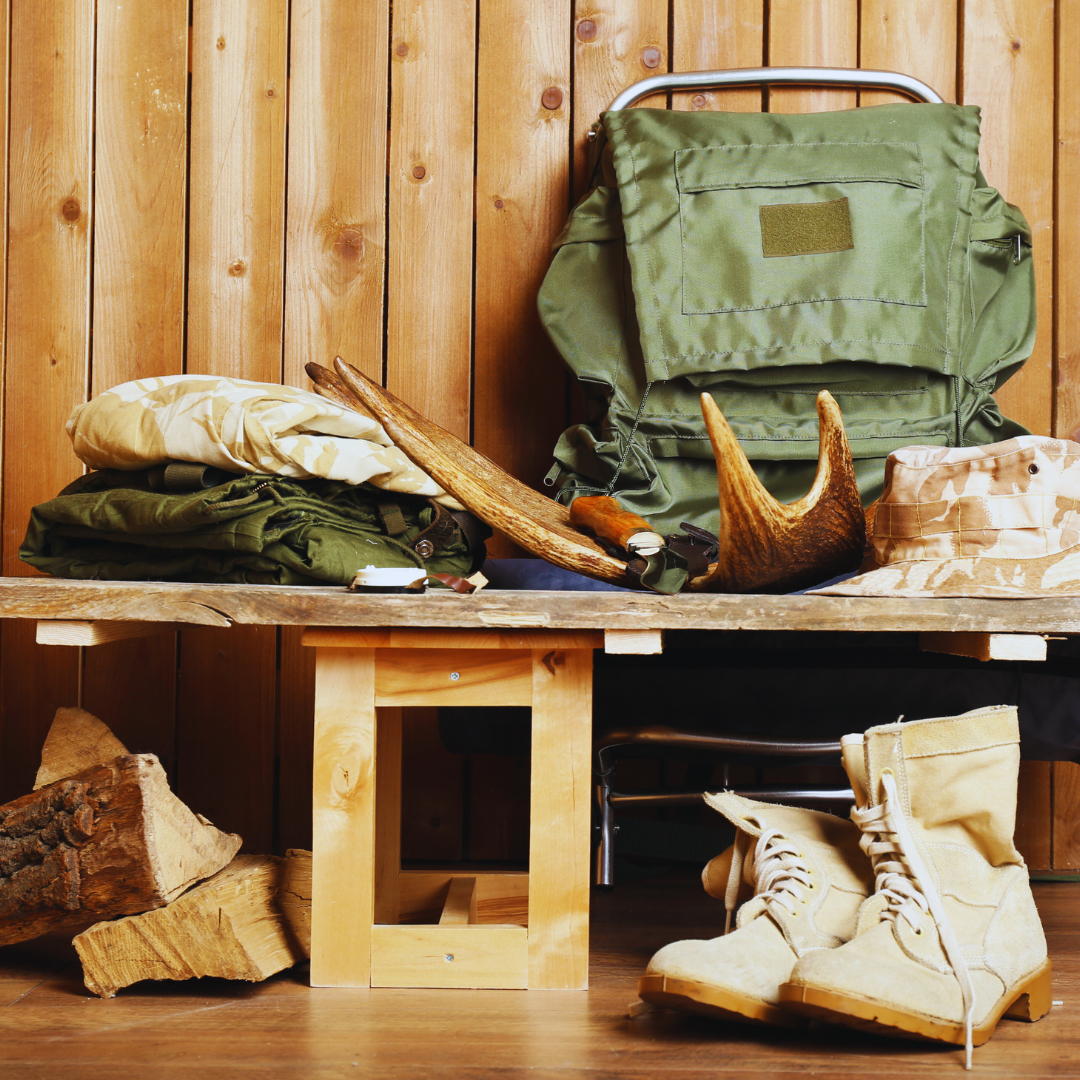
DIY hunting gear hacks can enhance a hunter’s efficiency and comfort in the field without breaking the bank. By utilizing everyday materials and simple techniques, hunters can create customized gear that meets their specific needs. These hacks not only save money but also allow individuals to incorporate their unique skills into the hunting experience.
From making a durable backpack out of repurposed materials to creating effective game calls at home, the options are vast. Hunters who embrace DIY methods often find that they can tailor solutions to their environments, improving both their effectiveness and enjoyment. These innovative approaches can transform ordinary items into essential hunting tools.
Whether a novice or an experienced hunter, enhancing gear through DIY methods can lead to a more successful outing. With a little creativity and resourcefulness, they can build equipment that truly aligns with their hunting style and preferences.
Essentials of DIY Hunting Gear
Understanding the fundamentals of DIY hunting gear can significantly enhance one’s outdoor experience. This section focuses on selecting appropriate materials and the process of creating effective game calls.
Selecting Materials
When it comes to DIY hunting gear, the right materials can make all the difference. Hunters should prioritize durable and lightweight options to ensure ease of use and reliability in various conditions.
Common Materials to Consider:
- Nylon Fabric: Great for tents and backpacks due to its strength and resistance to water.
- Ripstop Fabric: Ideal for camouflage clothing, providing durability and less fraying.
- Wood or PVC Pipe: Useful for constructing blinds and creating sturdy gear holders.
Consider incorporating camouflage patterns to blend into the environment better. Additionally, DIY hunters should utilize local resources when possible, such as fallen branches or natural materials, to minimize costs and maximize utility.
Creating Your Own Game Calls
Game calls are essential for attracting various wildlife. DIY enthusiasts should focus on accessibility and practicality when designing these tools.
Popular DIY Game Call Options:
- Duck Calls: Using a simple wooden block and tone board can produce quality sounds.
- Deer Calls: Create a grunt tube using PVC pipe, adjusting lengths for varying pitches.
Learning how to sew also proves valuable. A sewing machine can help in crafting items like game bags or customizing camouflage gear for a personalized fit.
Clear instructions and precise measurements lead to a more effective outcome. Utilizing online resources or community workshops can further enhance skills in building these essential hunting tools.
Optimizing Hunting Equipment
Effective hunting requires maximizing the potential of equipment. By enhancing binocular functionality and utilizing trail cameras more efficiently, outdoor enthusiasts can improve their overall hunting experience.
Improving Binocular Functionality
Quality binoculars are essential for spotting games. To enhance their functionality, consider the following adjustments:
- Strap Replacement: Swap out the standard neck strap for a more comfortable padded version, minimizing fatigue during long periods of observation.
- Lens Cleaning: Regularly clean lenses with a microfiber cloth and lens cleaner. This ensures a clear view and better light transmission, crucial for early morning and late evening scouting.
- Focus Adjustments: Familiarize oneself with the focus mechanism. Properly adjusting the diopter will fine-tune the binoculars for individual eyesight, providing a sharper image.
Using these tips, an outdoorsman can significantly enhance the overall performance of their binoculars, making them a more effective tool in the field.
Advancements in Trail Camera Usage
Trail cameras offer invaluable insights into wildlife behavior. Optimizing their use involves:
- Placement Strategy: Position cameras along game trails, near watering holes, or feeding areas. Ensure the camera is secured at the right height and angle for capturing the action.
- Settings Adjustments: Utilize features like time-lapse photography and multiple shot modes. Tailoring these settings helps capture a broader range of wildlife activity.
- Battery Management: Use high-quality batteries or a solar panel to ensure longevity. Regularly check battery levels and SD card space to avoid missing potential shots.
Through thoughtful application of these advancements, a hunter can gather rich data during their outings, leading to more successful hunts.
Constructing and Utilizing Hunting Stands
Hunting stands to enhance visibility and concealment during hunts. Proper construction and use of these stands are essential for effective hunting strategies.
Getting Elevated: Tree Stands
Tree stands provide hunters with a height advantage for better sightlines. DIY tree stands can be constructed from materials such as plywood and sturdy lumber.
Key components for a safe tree stand include:
- Platform: A solid base that is at least 3 feet by 3 feet.
- Safety Harness: Essential for preventing falls when ascending or descending.
- Camouflage Paint: Helps blend the stand with the surrounding foliage.
Hunters should select trees that are stable and at least 12–15 feet high. Regular inspections for stability and wear are crucial.
Ground Blinds and Concealment
Ground blinds offer an alternative for hunters preferring to stay closer to the ground. They are often constructed with natural materials like branches, leaves, and grass, creating effective camouflage.
Considerations for building ground blinds include:
- Location: Select spots with natural cover and proximity to animal paths.
- Durability: Use materials that withstand weather elements.
- Size: Ensure the blind is large enough for movement without spooking the game.
Proper setup prior to the season allows hunters to acclimate. Maintaining a low profile when entering or exiting helps prevent detection by animals.
Integrating Hunting Gear with Other Outdoor Activities
Hunting gear can be effectively integrated with various outdoor activities, enhancing their functionality. Many outdoorsmen find that multi-purpose equipment saves space and increases efficiency.
Versatile Equipment
- Backpacks: A hunting backpack can double as a fishing pack. Features like waterproof compartments keep gear dry during storage.
- Clothing: Camouflage clothing serves a dual purpose, offering concealment in hunting and protection from the elements during hiking or fishing trips.
Shared Techniques
- Scent Control: Techniques used for hunting can reduce scent when fishing. Keeping gear clean and using odor-free bags can benefit both activities.
- Navigation Tools: GPS devices are essential for hunting. These tools also aid in navigating unfamiliar trails when hiking or fishing in remote areas.
Game Animals and Fishing
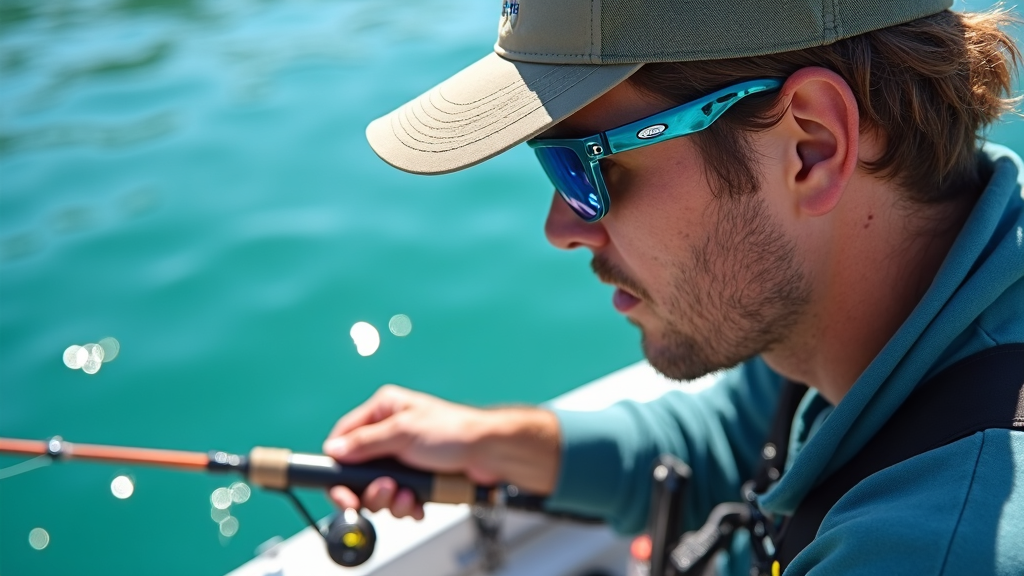
Some regions allow fishing and hunting in close proximity. Knowledge of game animal habitats can lead to better fishing spots. Understanding local ecosystems will provide a more rewarding outdoor experience.
For those seeking truly exceptional fishing adventures, especially in renowned locations, specialized charters offer unparalleled access to prime fishing grounds. These services often come with expert captains who possess intimate knowledge of local marine life and seasonal patterns. Exploring options like Tamarindo fishing charters can elevate a fishing trip from good to unforgettable. Such guided experiences ensure both safety and a higher chance of a successful catch, making the most of the region’s rich biodiversity.
Safety Gear
First aid kits and safety vests are crucial for both hunting and fishing. Ensuring that gear complies with safety regulations can enhance protection during any outdoor pursuit.
Incorporating hunting gear into other outdoor activities helps streamline both preparation and execution, making every outing more enjoyable.