
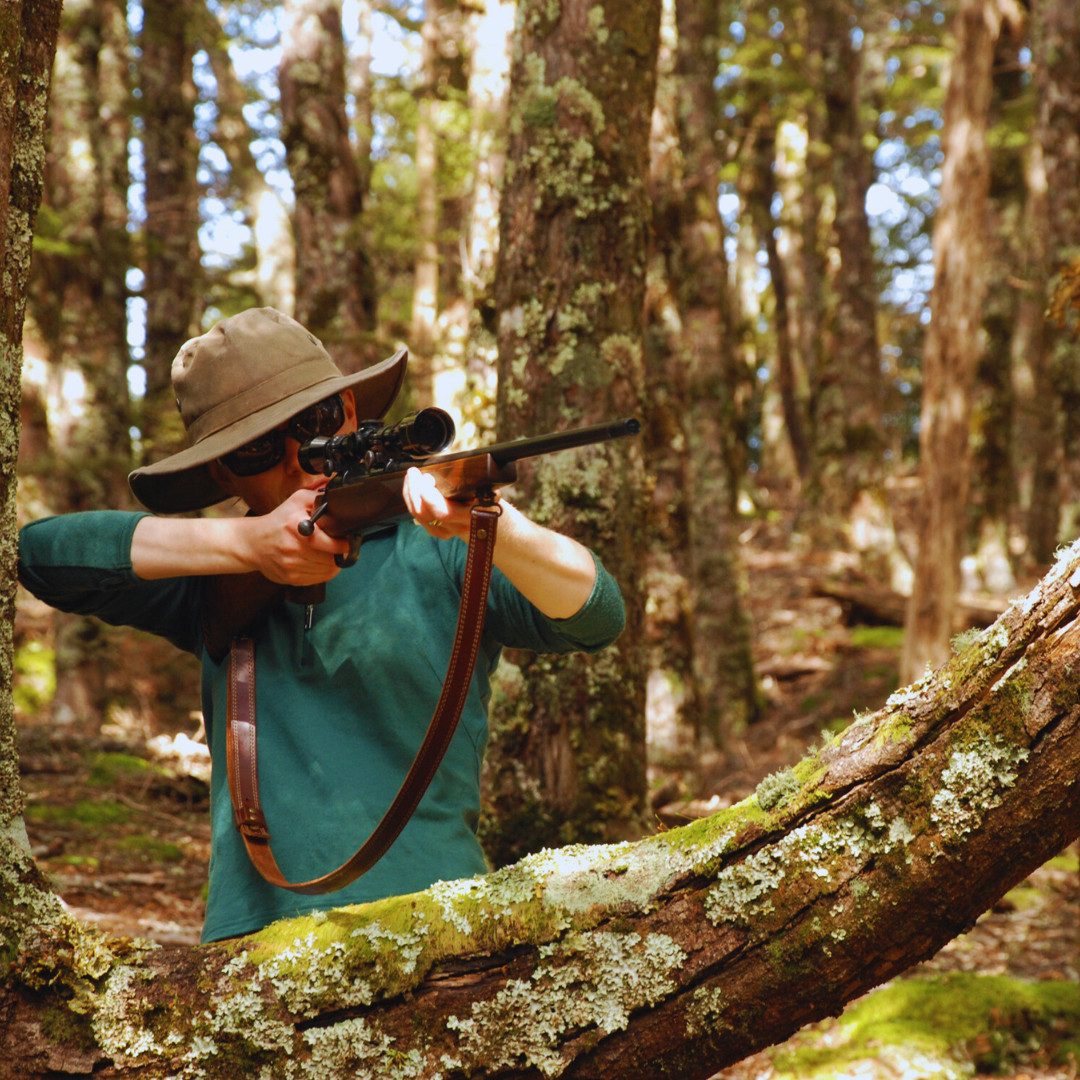
Choosing the right optics can significantly enhance a hunter’s success rate in the field. The best optics for hunting provide clarity, durability, and effective magnification, ensuring that the hunter can accurately identify and engage their target. Investing in quality optics can make a substantial difference, especially in low-light conditions and varying terrains.
Optics come in various types, including scopes, binoculars, and rangefinders, each serving a unique purpose. Understanding the specific needs for the type of hunting is crucial in selecting the right equipment. With the right information, hunters can maximize their experience and efficiency in the field.
This article will explore the essential features to consider when choosing optics and highlight the top-rated options available today. From budget-friendly choices to high-end models, readers will find insights tailored to their hunting style.
Understanding Hunting Optics Fundamentals
Hunting optics play a crucial role in enhancing the accuracy and effectiveness of a hunter. Key aspects include the types of optics available and their optical performance, both of which significantly influence the hunting experience.
Types of Hunting Scopes and Optics
Hunters typically choose between several types of optics:
- Riflescopes: These are most common, providing magnification to identify targets at a distance. They feature various configurations of magnification levels and objective lens sizes.
- Red Dot Sights: Ideal for fast-paced scenarios, they offer a non-magnified view with a red dot reticle for quick target acquisition.
- Binoculars: Essential for scouting, they provide a wider field of view and can help locate the game before the shot.
- Spotting Scopes: These offer high magnification for long-distance viewing, useful for scouting from afar.
Each type serves unique functions and benefits different hunting styles and preferences.
Optical Performance and Glass Quality
Optical performance is key in selecting hunting optics. Factors such as magnification and the objective lens size are crucial. Higher magnification allows for closer observation but can reduce brightness in low-light conditions.
Eye relief is another important consideration, especially for high-recoil firearms. It refers to the distance between the eyepiece and the hunter’s eye, crucial for comfort and safety.
Glass quality directly impacts image clarity and low-light performance. High-quality optics employ multi-coating techniques to enhance light transmission and reduce glare. This results in sharper images, vital for early morning or late evening hunts when visibility is limited. In essence, the combination of advanced glass and tailored design maximizes the effectiveness of hunting optics.
Key Features for High-Quality Hunting Scopes
Selecting the right hunting scope requires understanding several key features that enhance performance in the field. These include magnification range and lens diameter, reticle designs and focal planes, and durability against environmental factors.
Magnification Range and Lens Diameter
The magnification range is crucial for determining how far a hunter can accurately see and identify their target. Variable scopes, often ranging from 3-9x or 4-12x, adapt well to various distances, while fixed magnification scopes offer simplicity.
The objective lens diameter, typically between 32mm to 50mm, affects light transmission. A larger diameter allows more light to enter, improving visibility in low-light conditions. Multi-coated lens coatings enhance clarity and minimize glare, essential during early morning or late evening hunts.
Reticle Designs and Focal Planes
Reticles guide shooters for aiming and adjusting their shots. First focal plane (FFP) reticles resize with magnification changes, maintaining accuracy at various distances. This is beneficial for precise long-range shooting.
Second-plane reticles remain constant in size regardless of zoom, making them easier to use for hunters in closer ranges. Various reticle styles, including duplex, Mil-dot, and BDC (Bullet Drop Compensator), cater to different shooting preferences and needs.
Durability and Environmental Resistance
Durability is a non-negotiable feature for hunting scopes, as they often face harsh conditions. High-quality scopes are made from robust materials that resist shocks from recoil. Waterproof and fog-proof models feature sealed tubes filled with nitrogen or argon gas.
This construction protects internal components from moisture and dust, ensuring reliable performance in adverse weather. Scratch-resistant lens coatings are also important, as they safeguard against scratches from branches or rough handling, maintaining clarity for extended use.
Selecting the Right Optics Based on Hunting Needs
Choosing the appropriate optics for hunting significantly enhances the experience and effectiveness in the field. Different hunting environments and game types demand specific features to optimize performance.
Optics for Different Hunting Environments
When considering optics, the hunting environment plays a crucial role. Woodland areas often require scopes with lower magnification, typically between 3x to 9x, to capture movement in dense foliage.
In open fields or plains, a higher magnification of 10x or more may be beneficial for long-range shooting. Additionally, spotting scopes can aid in identifying the game from a distance.
Weather-resistant and fog-proof features are essential for varying climates. Lightweight mountain rifles paired with compact scopes allow for better maneuverability and comfort during extended treks.
Specialized Hunting Scopes for Game and Range
Different types of games necessitate various scope functionalities. For example, deer hunting often benefits from rifle scopes equipped with ballistic turrets for improved accuracy at varying distances.
For long-range applications, tactical scopes with precise adjustments are vital. These scopes should offer clear optics and robust construction suitable for rugged conditions.
Hunters focused on specific game types may also explore configurations tailored for night vision or low-light scenarios to enhance visibility. A compact scope on a hunting rifle can improve targeting speed during fast-paced hunts.
Top Hunting Optic Brands and Products
This section discusses notable brands and products in the hunting optics market, focusing on premium selections and cost-effective choices that offer quality and reliability for hunters.
Premium Optic Selections and Their Features
Hunters seeking top-tier optics often turn to brands like Vortex, Leupold, and Zeiss.
- Vortex Razor HD LHT: Known for its exceptional clarity and light transmission, this scope features a zero-stop elevation turret and a rugged design suitable for all conditions.
- Leupold VX-3HD: A favorite among long-range enthusiasts, it boasts impressive image quality and precision adjustments, enhancing accuracy in the field.
- Zeiss Conquest: This model offers superior optical performance with excellent light-gathering abilities. The exposed turrets provide easy adjustments on the go.
- Nightforce ATACR: Offering excellent versatility for various shooting distances, this optic stands out for its durability and reliable tracking.
These products typically come with robust warranty options, reflecting the manufacturers’ confidence in their performance.
Cost-Effective Choices for Hunters
For those on a budget, several brands provide reliable optics without compromising on quality.
- Vortex Crossfire II: A great entry-level scope that provides decent clarity and accuracy. Its affordability makes it ideal for novice hunters.
- Leupold VX-Freedom: This scope balances cost and performance, ensuring hunters don’t have to sacrifice quality for a lower price.
- Burris Fullfield: Known for its straightforward design, it offers solid performance during twilight hours, making it a practical choice for early morning or late evening hunts.
- Vortex Viper HD: This option includes features like high-density glass and decent light transmission at a reasonable price point.
- Vortex Viper HS: Offering good performance and versatility, this model engages those who need reliability without spending excessively.
These cost-effective choices provide satisfactory performance, making hunting accessible without breaking the bank.