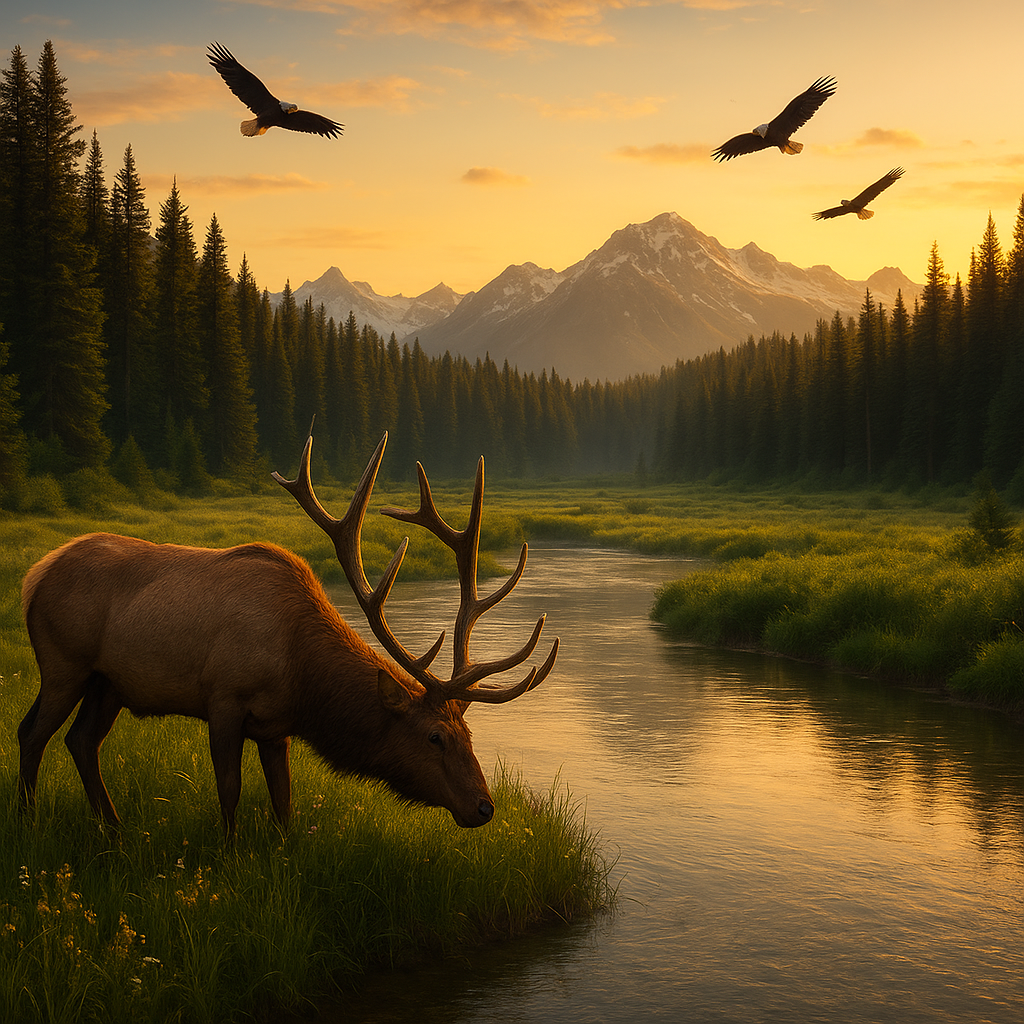
There’s something quietly powerful about standing in the middle of a national park. The air feels different, the sounds shift, and for a moment, it’s possible to forget that the rest of the world exists just beyond the treeline. But national parks are far more than scenic escapes for walkers and wildlife enthusiasts — they’re functioning conservation engines, actively protecting some of the planet’s most vulnerable species and ecosystems. Understanding the role they play in wildlife conservation reveals just how critical these protected spaces are, not just for nature, but for the long-term health of our planet.
A Brief History of National Parks and Conservation
The concept of setting aside land specifically for protection and public enjoyment is relatively modern, though the instinct to preserve wild places is ancient. The world’s first officially designated national park — Yellowstone — was established in 1872 under President Ulysses S. Grant, who signed the Yellowstone National Park Protection Act into law. This was a landmark moment in conservation history, creating a legal framework that would eventually inspire nations across the globe to follow suit.
The idea was radical at the time. Land wasn’t being claimed for agriculture, mining, or settlement — it was being protected from those things. Over the following decades, the national park model spread, and today there are over 6,500 protected areas across more than 100 countries, covering roughly 15% of the Earth’s land surface. Each one, in its own way, serves as a refuge for the wildlife within it.
How Do National Parks Help Wildlife?
This is perhaps the most important question at the heart of conservation policy, and the answer is multifaceted. National parks help wildlife in several interconnected ways, from providing safe habitats to enabling population recovery and supporting genetic diversity.
Safe Havens from Human Encroachment
One of the most direct ways national parks support wildlife is simply by keeping humans — and their infrastructure — at a distance. Urbanisation, agriculture, and industrial development are among the leading drivers of biodiversity loss worldwide. When land is designated as a national park, it is removed from that cycle of exploitation. Animals can breed, migrate, and forage without the constant pressure of habitat destruction.
In the United States alone, the National Park Service manages over 85 million acres of land. That’s an enormous buffer between wild species and the ever-expanding human footprint. Similar stories can be told in places like Kenya’s Tsavo National Parks, India’s Jim Corbett National Park, and Australia’s Kakadu — all regions where park designation has been pivotal in protecting endemic wildlife.
Supporting Population Recovery
Some of the most compelling evidence for the conservation value of national parks comes from species recovery stories. The grey wolf reintroduction to Yellowstone in 1995 is one of the most studied examples in modern ecology. After an absence of nearly 70 years, wolves were brought back to the park, and what followed demonstrated the extraordinary impact a single species can have on an entire ecosystem.
Wolf predation on elk altered the grazing patterns of those animals, which in turn allowed riverbank vegetation to recover. With more plant cover, rivers changed course, erosion slowed, and a host of other species — beavers, songbirds, fish — returned or increased in number. This phenomenon, known as a trophic cascade, showed that national parks don’t just protect individual animals; they protect the complex webs of relationships that sustain entire ecosystems.
Enabling Safe Migration and Connectivity
Wildlife doesn’t respect artificial boundaries. Many species — from caribou in North America to wildebeest in East Africa — undertake enormous seasonal migrations that require vast, undisturbed corridors of land. National parks, especially when linked to other protected areas or wildlife corridors, provide these essential pathways.
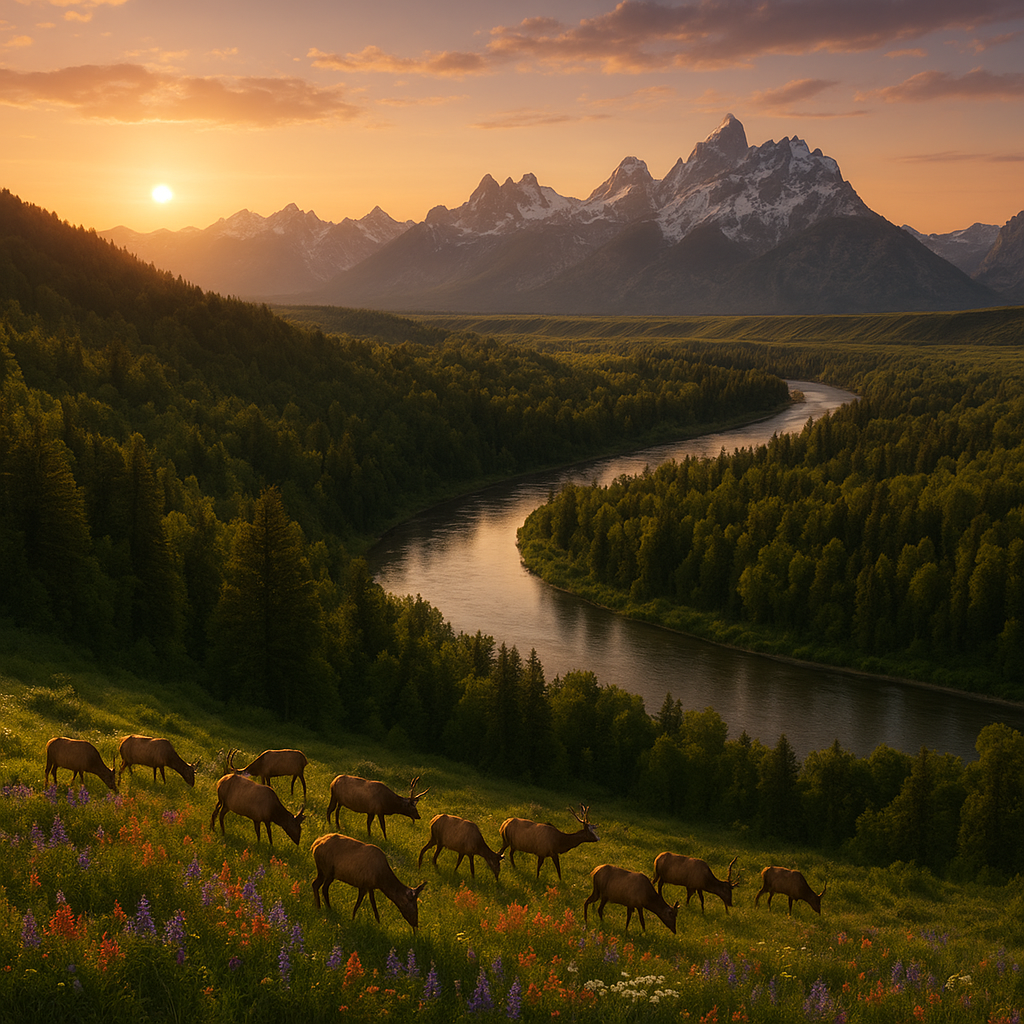
When parks exist as isolated islands of habitat surrounded by roads and farmland, migration becomes dangerous and genetic diversity can suffer. This is why conservation organisations increasingly advocate for connected park networks rather than standalone reserves. The concept of “rewilding” — restoring large-scale natural processes — depends heavily on this kind of landscape-level thinking.
What Are the Benefits of Wildlife Conservation in National Parks?
The benefits of wildlife conservation through national parks ripple outward in ways that affect far more than the animals themselves. Healthy ecosystems within parks provide services that human communities depend on, often without realising it.
- Clean water: Forests and wetlands within national parks act as natural filtration systems, maintaining water quality for communities downstream.
- Carbon sequestration: Intact forests and peatlands store vast quantities of carbon, making national parks significant contributors to climate regulation.
- Pollination: Many wild species that thrive within protected areas, including bees and butterflies, contribute to pollination beyond park boundaries, supporting agricultural yields.
- Scientific research: Parks serve as living laboratories, giving researchers the opportunity to study ecological processes, disease dynamics, and climate change impacts in relatively undisturbed settings.
- Mental health and wellbeing: Access to wild spaces has well-documented benefits for human psychological health, and national parks make those spaces accessible to millions of people each year.
There is also the matter of ecotourism. National parks generate significant revenue for local economies through tourism, creating a financial incentive to maintain healthy, biodiverse environments. In 2022, visitors to US national parks spent an estimated $23.6 billion in surrounding communities, supporting over 300,000 jobs. This economic dimension makes conservation not just an environmental priority, but an economic one.
The Important Function of National Parks for Plant and Wildlife Survival
Beyond individual species, national parks protect entire ecological communities — the intricate assemblages of plants, fungi, insects, birds, mammals, and microorganisms that collectively form a functioning biome. This is arguably their most critical function.
Biodiversity Hotspots
Many national parks are located within or adjacent to areas of exceptional biodiversity. Costa Rica’s national park system, for instance, covers just 0.03% of the Earth’s surface yet protects nearly 5% of the world’s biodiversity. The Amazon basin’s protected areas shelter an almost incomprehensible variety of life, including thousands of species yet to be formally described by science.
Plant life is particularly critical in this regard. Healthy plant communities support insects, which in turn support birds and mammals. Destroy the plant base and the entire food web collapses. National parks, by keeping this foundation intact, ensure that the processes of life can continue without constant disruption.
Protecting Species from Extinction
The IUCN Red List currently identifies over 44,000 species as threatened with extinction. While national parks alone cannot solve the biodiversity crisis, they have demonstrably reduced extinction rates for many species. Research published in leading scientific journals has shown that species living within protected areas are significantly less likely to decline than those in unprotected habitats.
Notable examples include the mountain gorilla, whose population has gradually increased thanks in large part to the protection offered by Virunga National Park and its neighbours in Central Africa. Similarly, the Indian tiger population has seen meaningful recovery within the framework of Project Tiger, which relies heavily on the country’s network of tiger reserves and national parks.

Challenges Facing National Parks and Their Wildlife
It would be misleading to suggest that national parks are without problems. They face a range of pressures that threaten their ability to fulfil their conservation mission.
Climate Change
Rising temperatures, shifting rainfall patterns, and more frequent extreme weather events are altering conditions within parks at a pace that many species cannot adapt to quickly enough. Glaciers in parks like Glacier National Park in Montana are retreating rapidly, affecting freshwater availability. Coral reefs in marine protected areas are bleaching at unprecedented rates. Conservation managers are increasingly having to make difficult decisions about how to respond — whether to allow natural processes to unfold or to intervene more actively.
Invasive Species
Non-native plants and animals pose one of the most persistent threats to park ecosystems. Invasive species can outcompete native wildlife, disrupt food chains, and fundamentally alter habitats. Managing invasive species is resource-intensive and never truly finished, requiring ongoing vigilance from park authorities.
Underfunding and Staffing
Many of the world’s national parks are critically underfunded. In developing nations especially, park rangers are often under-resourced and outnumbered, leaving vast areas poorly monitored. Poaching, illegal logging, and encroachment continue to erode the effectiveness of protection in many regions. Adequate investment in park management is as essential as the legislation that creates the parks in the first place.
What Can Be Done to Help Protect National Parks?
While systemic change requires political will and policy action, individuals can play a meaningful role in supporting national park conservation.
- Visit responsibly: Following Leave No Trace principles — staying on marked trails, not disturbing wildlife, taking litter home — helps minimise the impact of visitor numbers.
- Support conservation organisations: Charities like the National Parks Conservation Association (US), the National Trust (UK), and the African Wildlife Foundation work directly to protect and advocate for parks and their wildlife.
- Engage with policy: Writing to elected representatives, signing conservation petitions, and staying informed about proposed changes to protected area legislation are all meaningful actions.
- Reduce your environmental footprint: The broader pressures on national parks — particularly climate change — are linked to global emissions. Individual choices around energy use, travel, and consumption contribute to the wider picture.
- Spread awareness: Sharing information about the importance of national parks with friends, family, and on social media helps build the cultural and political support that conservation depends on.
Conclusion
National parks are one of humanity’s most important tools for protecting the natural world. From the grey wolves of Yellowstone to the mountain gorillas of Central Africa, countless species owe their continued existence to the protection these spaces provide. They safeguard biodiversity, support ecosystem services that human life depends on, and offer a reminder that the natural world has intrinsic value beyond what it can provide to us.
But national parks are not static monuments — they are living, dynamic systems that require ongoing investment, thoughtful management, and broad public support to remain effective. The challenges they face, from climate change to invasive species and chronic underfunding, are real and serious. Understanding the vital role these places play is the first step toward ensuring they endure for generations to come. The wildlife within them cannot speak for themselves; it falls to us to recognise what is at stake and act accordingly.