There’s a persistent tension at the heart of modern conservation: the idea that hunting and wildlife protection are fundamentally at odds. It’s an understandable assumption, but one that doesn’t hold up well under scrutiny. Across the world — and particularly in the United States and parts of Africa — sustainable hunting practices have become one of the most powerful engines driving real, measurable conservation outcomes. The relationship between the hunter and the habitat is older than modern environmentalism itself, and when properly managed, it’s a relationship that genuinely works.
This isn’t about romanticising the sport or ignoring its complexities. It’s about looking honestly at the data, the funding models, and the on-the-ground realities that show how ethical, regulated hunting contributes to wildlife population management, habitat preservation, and the long-term survival of species that would otherwise face much grimmer futures.
The Financial Backbone: Where Conservation Money Actually Comes From
One of the most compelling arguments for hunting as conservation is simply financial. In the United States, the Pittman-Robertson Act of 1937 established an excise tax on firearms, ammunition, and archery equipment. Since its inception, this legislation has generated over $14 billion for wildlife conservation and restoration. That’s not a minor contribution — it’s a structural funding mechanism that has shaped the American conservation landscape for nearly a century.
Every time a hunter buys a rifle, a box of cartridges, or a hunting licence, a portion of that money flows directly into state wildlife agencies, habitat restoration projects, and species recovery programmes. Hunting licences and permits alone contribute hundreds of millions of dollars annually to wildlife management across the country. By comparison, many non-consumptive wildlife enthusiasts — birdwatchers, hikers, wildlife photographers — generate far less directed conservation funding through their activities, despite their numbers being considerably larger.
This isn’t a criticism of non-hunters; it’s simply a recognition that the current conservation funding model in America is, to a remarkable degree, built on the back of hunting participation.
Trophy Hunting and Community-Based Conservation
In parts of southern and eastern Africa, trophy hunting has — controversially, but demonstrably — played a significant role in conservation. Countries like Zimbabwe, Namibia, and Botswana have implemented community-based natural resource management (CBNRM) programmes where local communities receive direct financial benefits from controlled trophy hunts. When the local population has an economic stake in keeping wildlife alive and habitat intact, the incentive to poach or convert land to agriculture shifts dramatically.
Namibia’s communal conservancy model is perhaps the most cited example. Since the programme’s expansion in the 1990s, wildlife populations including lion, leopard, cheetah, and black rhino have recovered significantly in areas where communities manage hunting rights. The model isn’t without problems — concerns about corruption, unequal benefit distribution, and species-specific impacts remain legitimate — but the broad trend of wildlife recovery linked to community hunting revenue is hard to dismiss.
Wildlife Population Management: The Ecological Argument
Beyond funding, hunting plays a direct ecological role in managing wildlife populations, particularly in landscapes where natural predators have been reduced or eliminated.
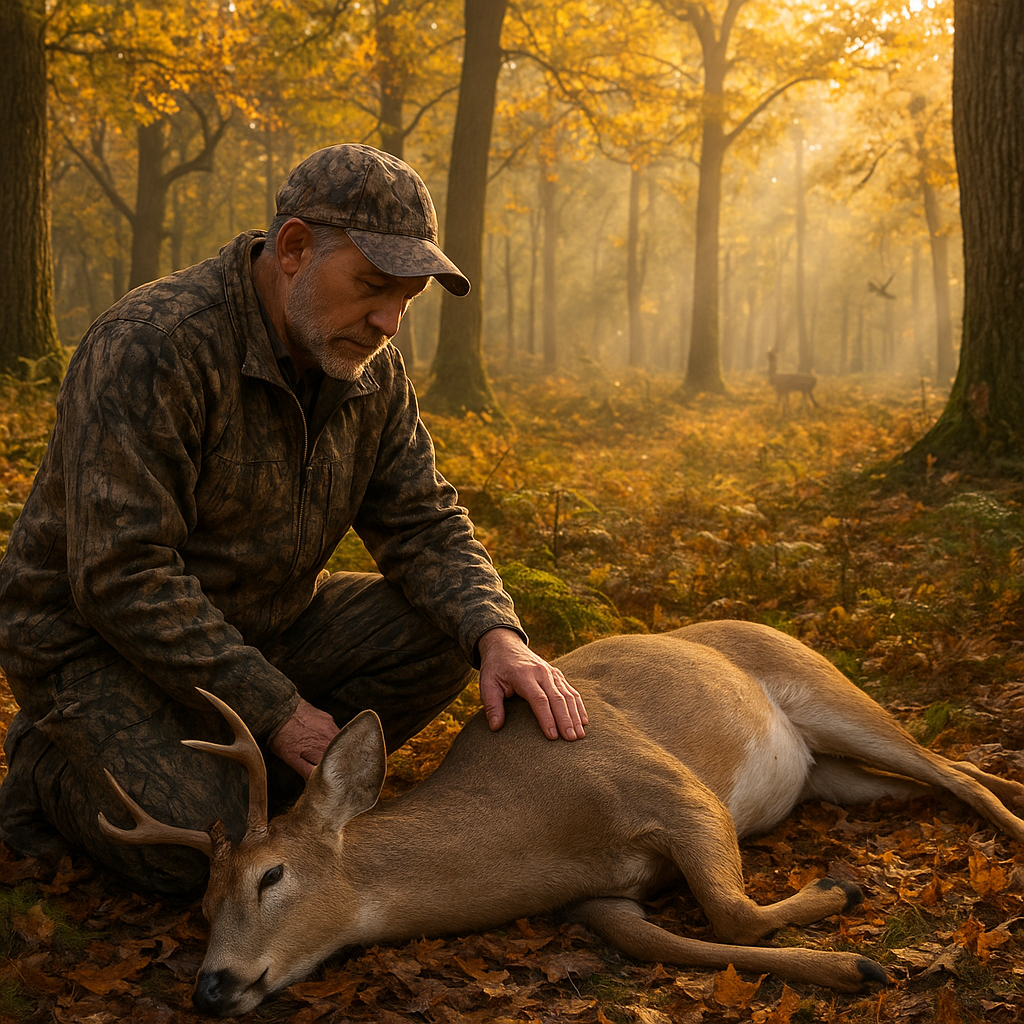
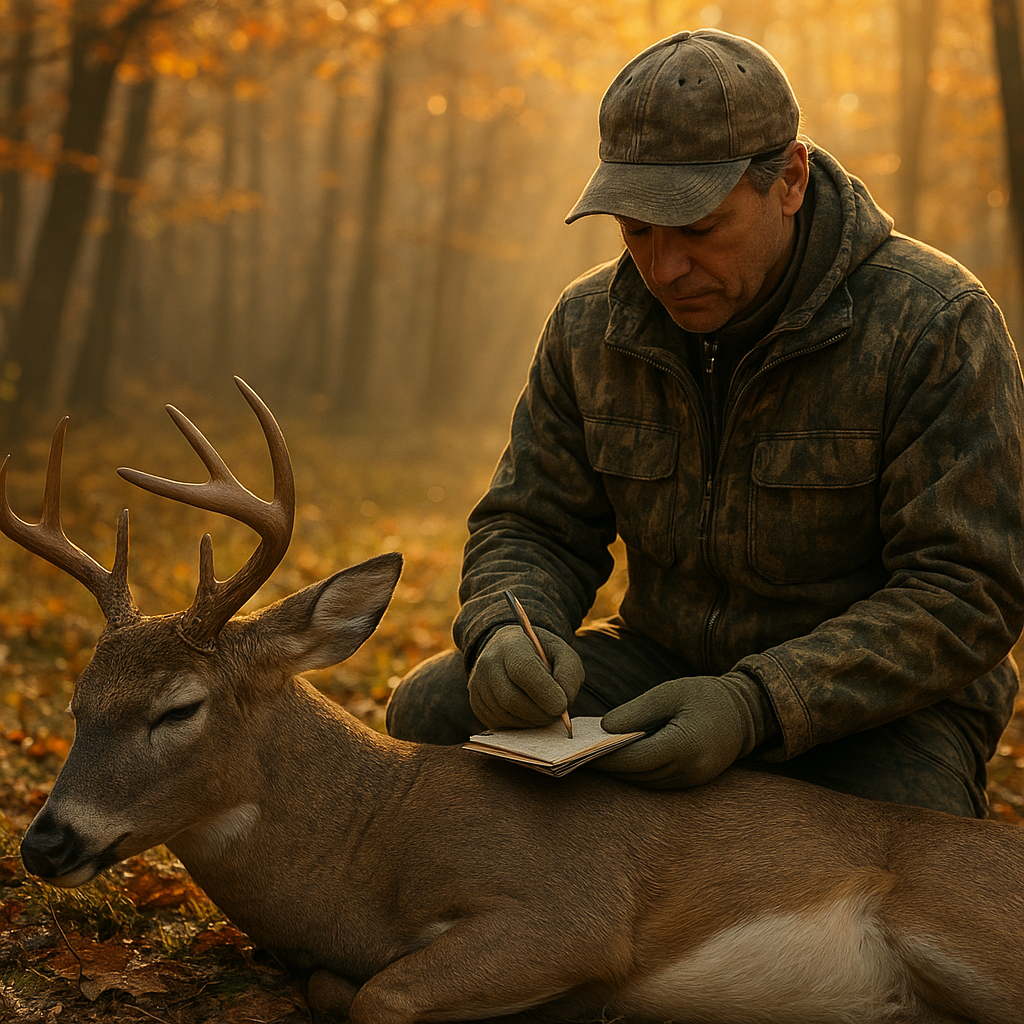
The white-tailed deer is perhaps the clearest American example. With wolf and mountain lion populations largely absent from the eastern United States, deer populations in many states have ballooned to levels that cause significant ecological damage — overgrazing vegetation, increasing vehicle collisions, and spreading Lyme disease. Hunting is the primary mechanism used by wildlife managers to keep these populations within the carrying capacity of their habitat.
Without hunting, the options are limited and generally more expensive, less effective, or politically fraught: culling by wildlife officers, contraceptive programmes, or hoping for natural die-offs. Regulated hunting achieves the same population management goal while simultaneously generating the licence revenue that funds the management itself.
How Does Hunting Support Conservation Efforts Beyond Deer?
White-tailed deer get the most attention, but the same population management logic applies across species:
- Wild boar and feral pigs: Invasive in much of the US, feral pig populations cause billions of dollars in agricultural and ecological damage annually. Hunting is one of the few scalable tools for keeping their numbers in check.
- Waterfowl: Duck and goose hunting, regulated through migratory bird treaties and the Federal Duck Stamp programme, has funded the conservation of millions of acres of wetland habitat — one of the most threatened and ecologically valuable biome types.
- Elk and wild turkey: Both species were severely depleted by the early 20th century. Hunter-led organisations like the Rocky Mountain Elk Foundation and the National Wild Turkey Federation have been central to their recovery, funding restocking and habitat work through membership and licence sales.
Habitat Preservation: The Land Behind the Licence
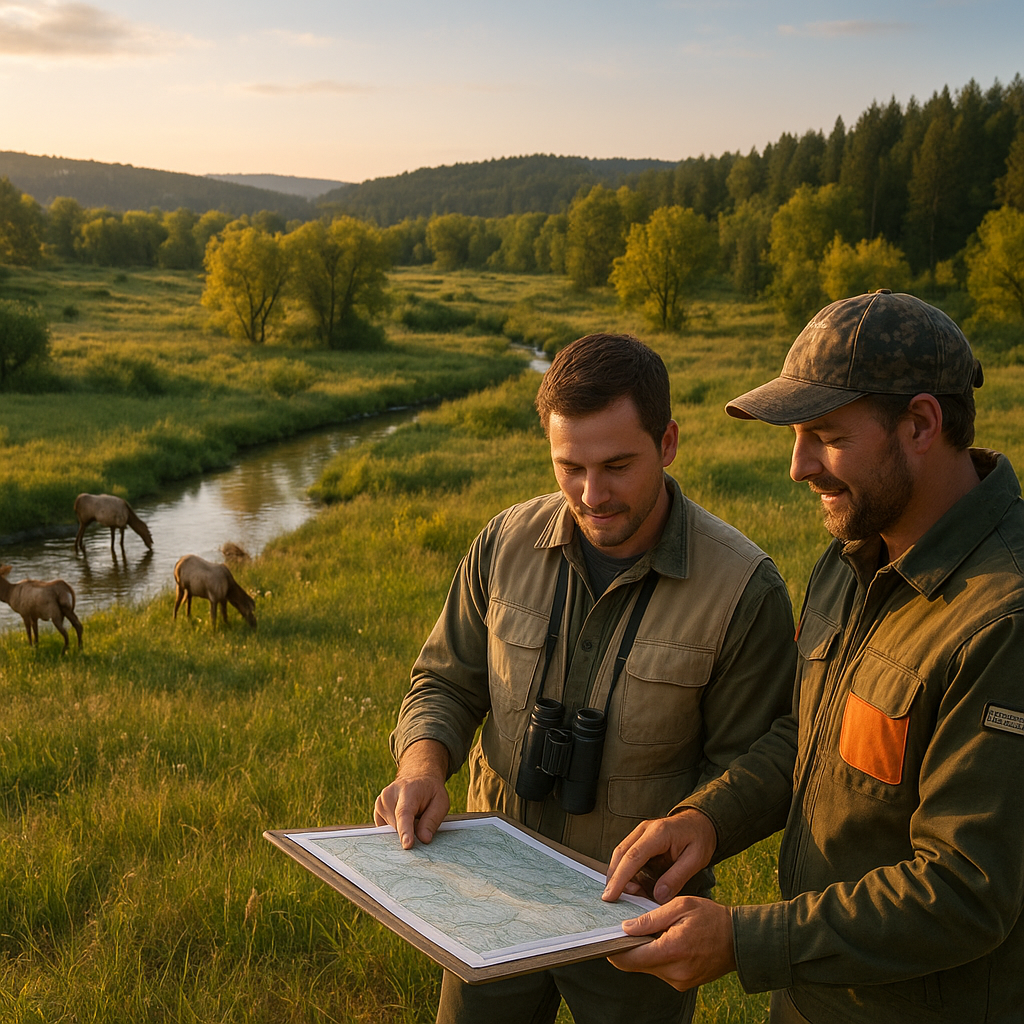
Hunting’s conservation contribution isn’t limited to managing the animals themselves — it extends to the land they live on. Hunters have a vested interest in maintaining healthy, functional habitats, because without them, there’s nothing to hunt. This self-interest, when channelled through the right organisations and policies, produces real conservation outcomes.
Hunter-funded land trusts and conservation easements have protected millions of acres from development. The Land and Water Conservation Fund, partially supported by hunting and fishing revenues, has helped secure public lands and wildlife corridors across the country. Private landowners who manage their land for hunting — maintaining woodlands, wetlands, and grasslands rather than converting them to intensive agriculture — provide ecological services well beyond the boundary fences of their property.
Why Is Hunting Good for the Environment?
It’s worth being precise here. Hunting isn’t universally good for the environment — unregulated, illegal, or poorly managed hunting is actively destructive. What’s good for the environment is sustainable, regulated hunting embedded within a robust conservation management framework. When those conditions are met:
- Wildlife populations are kept within the carrying capacity of their ecosystems
- Revenue is generated and directed into habitat conservation and species management
- Private landowners have financial incentives to maintain wildlife-friendly habitats
- Local communities in wildlife-rich areas benefit economically from conservation rather than being forced to choose between wildlife and livelihoods
- Cultural connections to land and wildlife are maintained across generations
The environmental benefits are real, but they are conditional — and that conditionality is what makes the legal and regulatory framework so critical.
Hunter Ethics and the Role of Hunting Laws in Wildlife Preservation
Sustainable hunting doesn’t happen by accident. It’s the product of carefully crafted regulations, strong enforcement, and a culture of ethical behaviour among hunters themselves. Hunting seasons, bag limits, licensing requirements, and protected zones exist precisely to prevent the overharvesting that decimated wildlife populations in the 19th and early 20th centuries.
The North American Model of Wildlife Conservation — the regulatory and philosophical framework that governs hunting across the US and Canada — rests on the principle that wildlife is a public trust resource, managed for the benefit of all citizens, not privately owned or exploited for commercial gain. This model, largely built by hunters and anglers in the early 20th century, is considered one of the most successful wildlife conservation frameworks in the world.
The Ethics That Make It Work
Legal compliance is the floor, not the ceiling. The hunting community’s own ethical standards — fair chase principles, respect for the quarry, commitment to using as much of a harvested animal as possible, and honest reporting of harvests — form an essential part of what makes hunting conservation-compatible. Poaching and illegal wildlife trade operate entirely outside these norms and represent a genuine conservation catastrophe, particularly in Africa and Asia. The distinction between legal, ethical hunting and poaching isn’t semantic; it’s the difference between a conservation tool and a conservation crisis.
Organisations like the Boone and Crockett Club (founded by Theodore Roosevelt) have long championed fair chase ethics and habitat conservation alongside their record-keeping activities. This kind of institutional culture — embedding conservation values into the hunting tradition itself — is part of why regulated hunting has such a different environmental footprint from its unregulated counterpart.
Addressing the Limitations Honestly
A thorough look at hunting and conservation has to acknowledge the genuine tensions and limitations. Not every hunting practice is sustainable; not every conservation model built around hunting delivers equitable or reliable outcomes.
Trophy hunting, in particular, remains contested. Critics argue that when it targets males in their prime — often the most reproductively valuable animals — it can disrupt social structures and reduce long-term population fitness. There’s also the question of whether the revenue actually reaches the communities and conservation programmes it’s supposed to fund, or is captured by intermediaries. These are legitimate concerns that merit serious engagement, not dismissal.
Additionally, the North American model works in large part because of the relatively strong regulatory institutions in the US and Canada. Exporting this model to regions with weaker governance, different cultural relationships with wildlife, and more acute poverty is not straightforward.
None of this negates the core argument — it complicates it. The goal isn’t a blanket defence of all hunting in all contexts; it’s an accurate picture of what sustainable, well-regulated hunting can and does achieve, alongside an honest reckoning with where it falls short.
Conservation Through Sustainable Hunting in America: The Bigger Picture
America’s wildlife recovery story over the past century is, in large part, a hunting story. Species that were functionally extinct or severely depleted — the wild turkey, the white-tailed deer, the pronghorn antelope, the wood duck — have recovered to healthy population levels. That recovery didn’t happen by chance. It was funded, managed, and in many cases actively driven by the hunting community working in partnership with state and federal wildlife agencies.
The numbers speak clearly. There are now over 7 million white-tailed deer harvested annually in the US, and yet the population remains stable and abundant. Wild turkey populations have grown from fewer than 30,000 in the early 20th century to over 7 million today. Wetland conservation supported by the Federal Duck Stamp programme has protected more than 6 million acres of habitat. These are not small achievements. For those newer to the sport, selecting the right equipment is an important early step in becoming a responsible and effective hunter.
Conclusion
The relationship between hunting and conservation is neither simple nor without tension, but it is real and, in many contexts, remarkably productive. Sustainable hunting practices — underpinned by robust regulation, ethical hunter behaviour, and conservation-directed revenue streams — have demonstrably contributed to wildlife population recovery, habitat protection, and the funding infrastructure that modern wildlife management depends on.
The key word is sustainable. When hunting operates within carefully managed limits, respects ecological realities, and channels its economic activity into conservation outcomes, it functions as a genuine tool for protecting the natural world. When it doesn’t, the damage can be severe. The difference lies in the quality of governance, the depth of ethical commitment within the hunting community, and the robustness of the scientific management frameworks guiding harvest decisions.
For those interested in conservation, an honest engagement with the evidence means taking hunting seriously — not as the enemy of wildlife protection, but as one of its most historically significant and financially substantial allies.